Tokyo to Osaka: The Best Travel Path
The Tokyo-Osaka corridor is the most traveled route in Japan — 500 km, 2.5 hours by Shinkansen, and the densest concentration of sights in the country. The direct train is fast, but the best route includes stops: Hakone for hot springs, Kyoto for temples, and Nara for deer. Here's how to do it.
Option 1: Direct Shinkansen (2.5 Hours)
The Nozomi Shinkansen from Tokyo Station to Shin-Osaka Station: 2.5 hours, €85 (¥14,500). The Hikari (same route, 3 hours, €80) is covered by the Japan Rail Pass. The Kodama (4 hours, €65) stops at every station. Book at the station or on smart-ex.jp. No need to book ahead — trains run every 10 minutes.
JR Pass: The 7-day JR Pass is €270 (¥50,000). A round-trip Tokyo-Osaka on Nozomi is €170 — so the pass only pays off if you make 2+ long-distance trips. Note: the Nozomi is NOT covered by the JR Pass — you need the Hikari, which is 30 minutes slower.
Option 2: The Best Route (5 Days with Stops)
Day 1-2: Tokyo
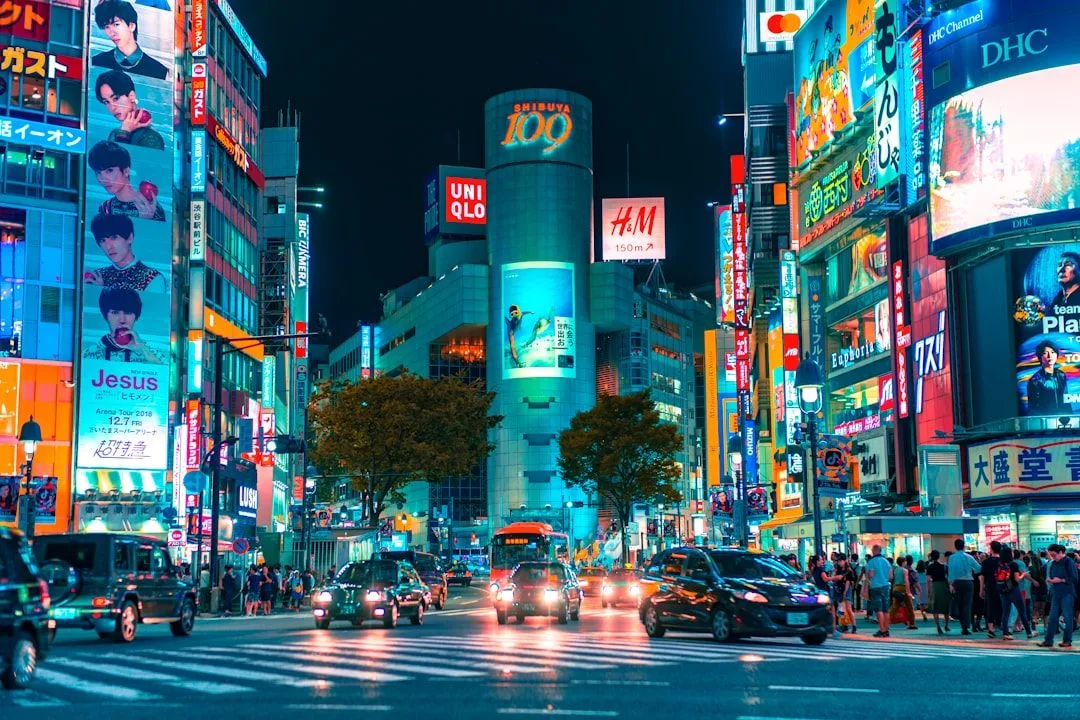
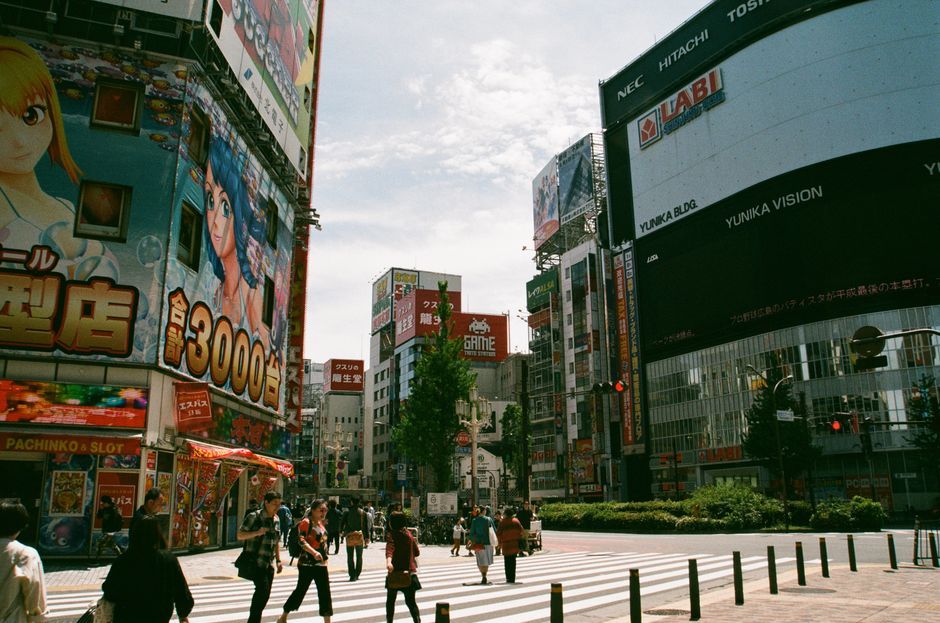
Explore Tokyo: Senso-ji Temple (free, Asakusa), Shibuya Crossing (free), Meiji Shrine (free), Tsukiji Outer Market (€5-10 for sushi), teamLab Planets (€25, book ahead). Stay in Asakusa or Shinjuku (€40-80/night for a hotel, €20-30 for a capsule).
Day 3: Hakone
Take the Shinkansen from Tokyo to Odawara (35 minutes, €15 with JR Pass). Hakone is a mountain resort with hot springs (onsen), a crater lake (Lake Ashi), and a volcanic valley (Owakudani). Buy the Hakone Free Pass (€40, covers all transport in the area). Ride the mountain railway, the cable car, and the pirate ship on the lake. Soak in an onsen (Tenzan Onsen, €15, the best traditional onsen in Hakone). Stay in a ryokan (€80-150/night, includes dinner and breakfast — kaiseki multi-course meal).
Day 4: Kyoto
Take the Shinkansen from Odawara to Kyoto (2 hours, €75 with JR Pass). Kyoto has 1,600 temples, 400 shrines, and 17 UNESCO sites. The essentials: Fushimi Inari (free, 10,000 red torii gates on a mountain trail — go at 7 AM before crowds). Kinkaku-ji (Golden Pavilion, €4). Ryoan-ji (€4, the best Zen rock garden). Arashiyama Bamboo Grove (free, go at 8 AM). Kiyomizu-dera (€2, a temple on a hillside with a view). Eat kaiseki (traditional multi-course dinner, €40-80) or cheaper: yudofu (tofu hotpot, €15) at Okutan Kyokai. Stay in a guesthouse (€30-50/night) or a hotel (€60-100).
Day 5: Nara and Osaka
Take the train from Kyoto to Nara (45 minutes, €5). Nara was Japan's first capital (710 AD). The park has 1,200 wild deer that bow for crackers (€1.50 for crackers). Visit Todai-ji (€5, the largest wooden building in the world, with a 15-meter bronze Buddha). Visit Kasuga Taisha (€4, a shrine with 3,000 stone lanterns). Eat narazuke (pickled vegetables, €3) and udon (€5).
Take the train from Nara to Osaka (45 minutes, €5). Osaka is Japan's food capital. Eat at Dotonbori (the neon-lit entertainment district): takoyaki (octopus balls, €4 for 8), okonomiyaki (savory pancake, €6), and kushikatsu (deep-fried skewers, €1.50 each). Visit Osaka Castle (€4, the view from the top). Stay in Namba or Umeda (€40-80/night).
Route Summary
| Day | City | Transport | Time |
|---|---|---|---|
| 1-2 | Tokyo | — | — |
| 3 | Hakone | Shinkansen to Odawara | 35 min |
| 4 | Kyoto | Shinkansen from Odawara | 2h |
| 5 | Nara → Osaka | Local trains | 45 min each |
Transport costs: Without JR Pass: €15 + €75 + €5 + €5 = €100. With 7-day JR Pass (€270): covered except the Nara-Osaka local train (€5). The pass is worth it if you also use it for a round trip or other long-distance travel.
When to Go
April (cherry blossoms) and November (autumn leaves) are the best times — 15-20°C and beautiful. Book hotels 3+ months ahead. May-June is rainy season. July-August is 35°C and humid. December-February is cold (5°C in Tokyo, 0°C in Hakone) but the onsen is best in winter.
Money
Japan is mid-range. Hotels: €40-100/night. Meals: €5-15 for lunch, €15-40 for dinner. Trains: €5-85 per leg. Attractions: €2-25. Budget €70-120/day. Cash is king — many restaurants and temples don't take cards. 150 yen = $1.