Austria Travel Route
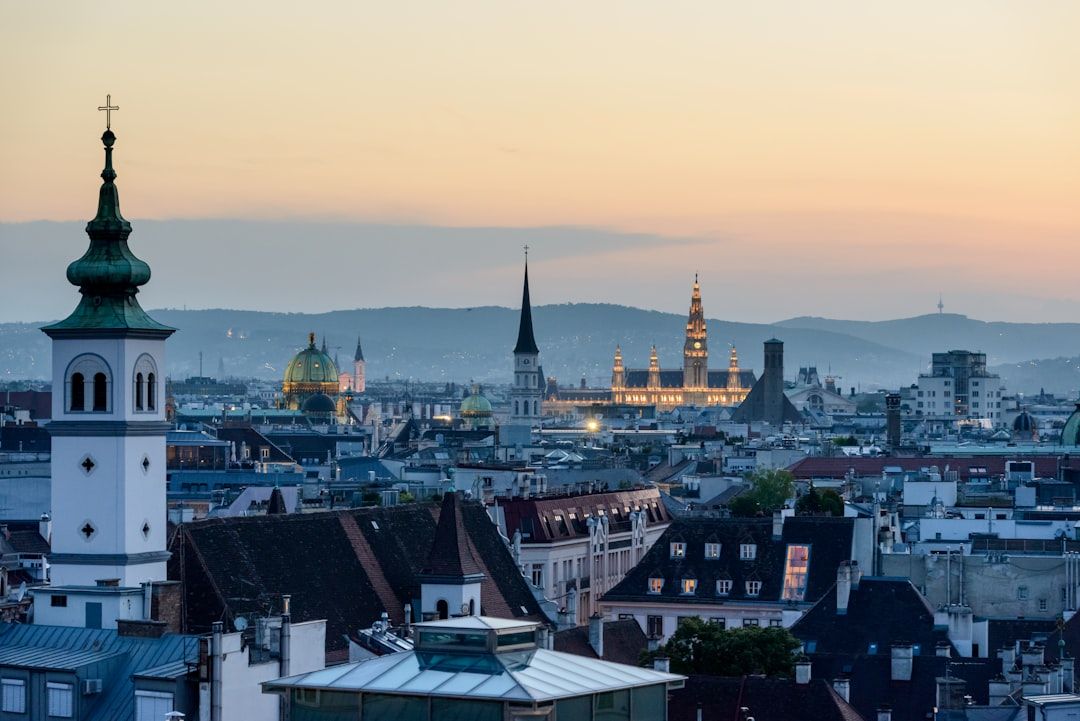
Austria is a country that fits in a triangle — Vienna in the east, Salzburg in the west, and the Alps in between. In 7 days you can see all three: the imperial capital, the lake district, and the mountain town that everyone photographs but few people explore properly. This route goes from Vienna to Salzburg through the Salzkammergut — the lake region that inspired The Sound of Music.
Day 1-3: Vienna
Arrive in Vienna. Stay in the Neubau or Mariahilf districts (€70-120/night) — central, walkable, and full of restaurants. Avoid the area around the Hauptbahnhof — it's modern and characterless.
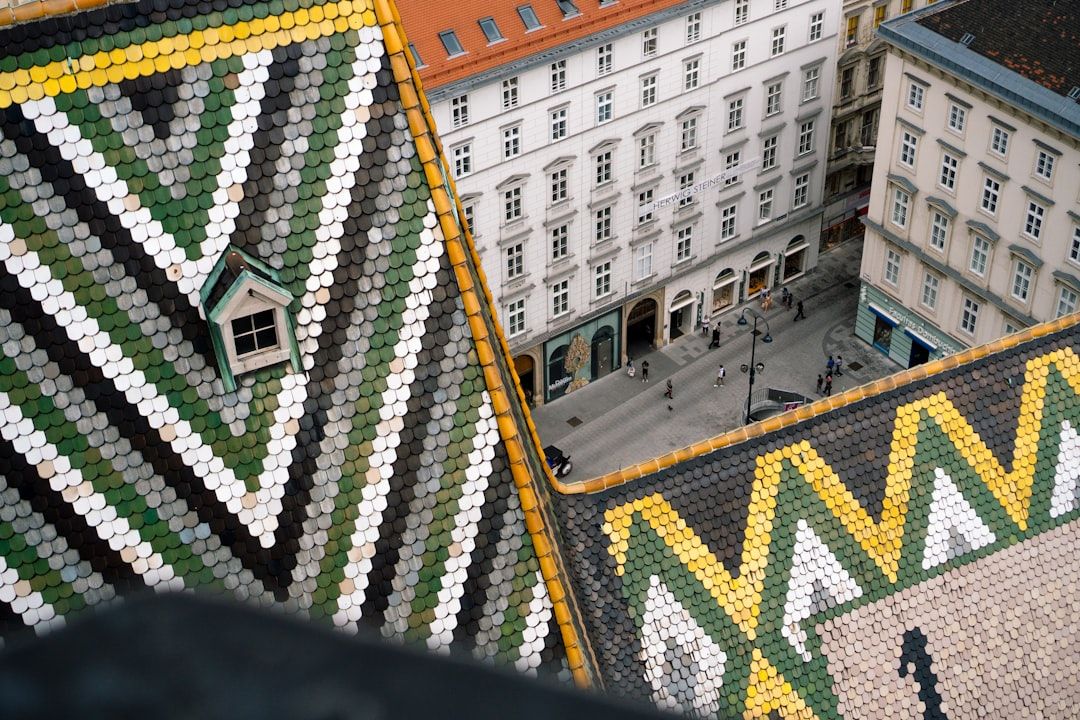
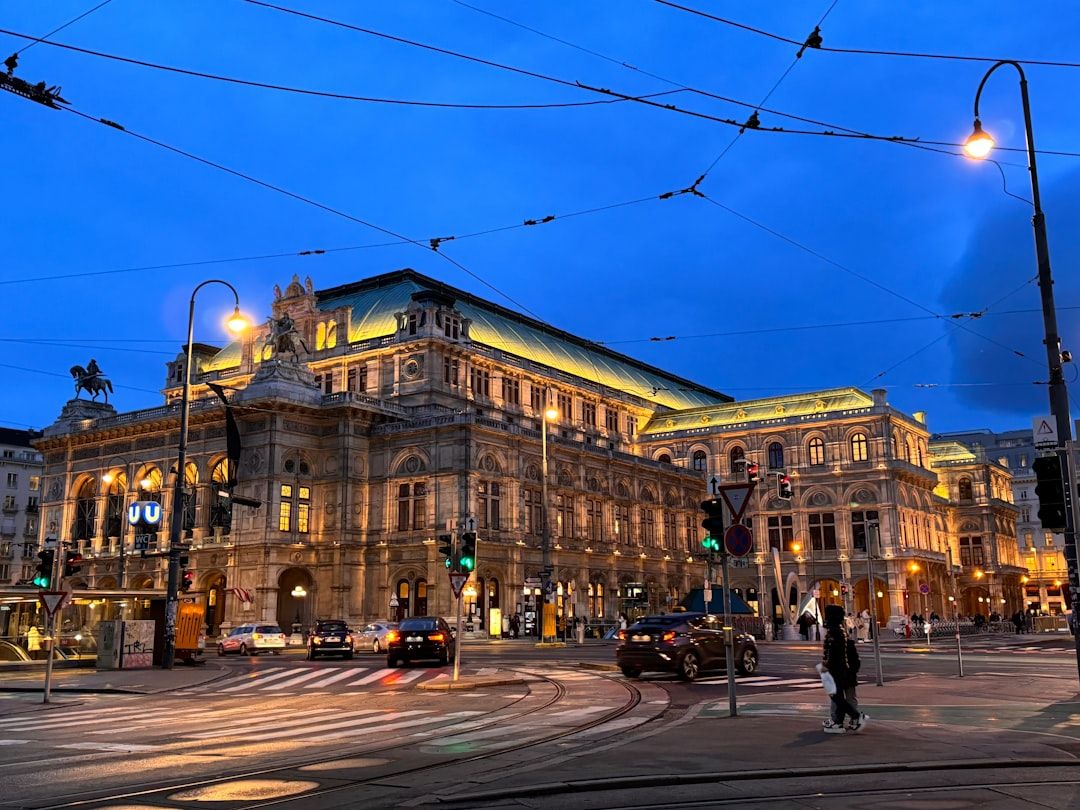
Day 1: Imperial Vienna. Schönbrunn Palace (€27, the imperial summer residence — 1,441 rooms, the most opulent palace in Central Europe). Tour the state rooms (40 minutes), then walk the gardens (free) to the Gloriette (a hilltop pavilion with the best view of the city). Afternoon: the Belvedere Palace (€16, two Baroque palaces with a garden between them — the Upper Belvedere has Klimt's The Kiss). Evening: opera at the Vienna State Opera (€13-200, standing room €13 — go 90 minutes before the show and queue for Stehplätze, the best €13 you'll spend in Vienna).
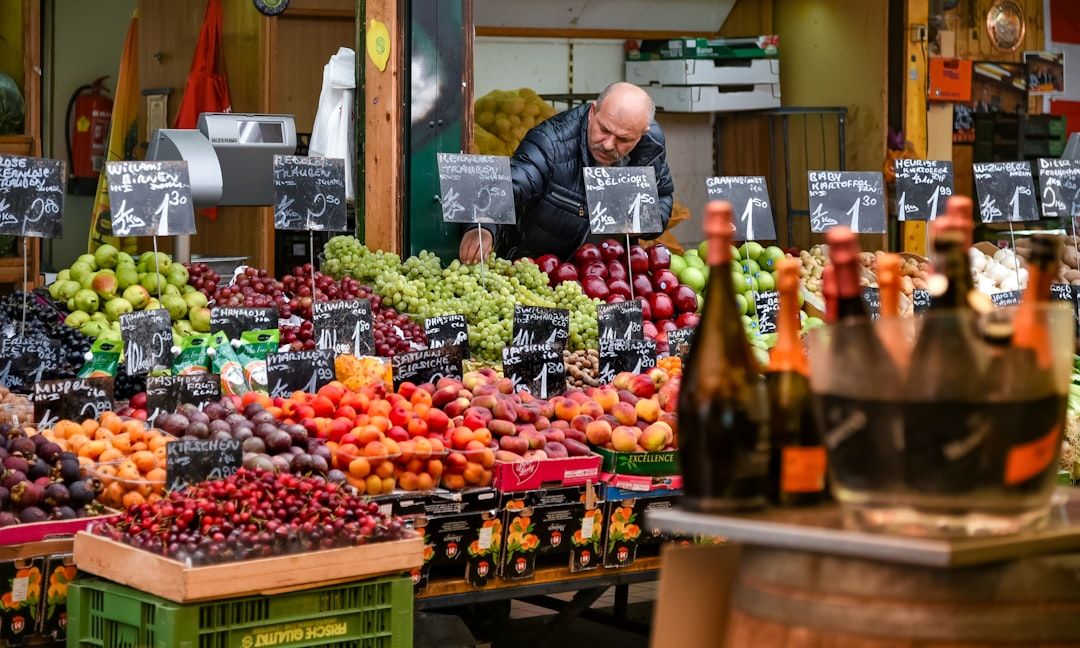
Day 2: Art and Coffee. The Kunsthistorisches Museum (€21, the best museum in Vienna — Bruegel, Vermeer, Raphael, and a coin collection with 600,000 pieces). Afternoon: a Viennese coffee house. Café Central (Herrengasse 14, since 1876 — Freud, Trotsky, and Hitler were regulars). Order a Melange (espresso with steamed milk, €4.50) and a Sachertorte (chocolate cake with apricot jam, €6.50). Sit for 2 hours — that's the point of a Viennese coffee house. Evening: the Naschmarkt (the food market, €5-15 for snacks — the best cheese and sausage stalls). Dinner at Plachutta (€30-40, the Tafelspitz — boiled beef with root vegetables and apple-horseradish — is the Viennese signature dish).
Day 3: Vienna Deep Dive. The Hofburg (€16, the winter palace — the Imperial Apartments and the Sisi Museum, about Empress Elisabeth). Walk the Ringstrasse (the 5-km boulevard that replaced the city walls in 1865 — the Parliament, the City Hall, and the University are all on it). Visit the Hundertwasserhaus (free to view from outside, €12 for the Kunst Haus Wien museum — the most eccentric building in Vienna, with uneven floors, tree tenants, and golden onion domes). Eat at Figlmüller (€15-20, the Wiener Schnitzel — a 30-cm veal cutlet, the largest in Vienna). Take the overnight train or the early morning train to Salzburg.
Day 4: The Salzkammergut — Hallstatt
Take the train from Vienna to Hallstatt (3.5 hours, €40-60, change at Attnang-Puchheim). Or rent a car (3 hours, 250 km on the A1). The train route goes through the Alps — the last hour is through mountains and lakes.
Hallstatt is a village of 800 people on a lake between mountains. It's the most photographed village in Austria — a row of wooden houses on a narrow strip of land between the lake and a 1,000-meter cliff. It's also overrun by tourists — 10,000 per day in summer. Go early (arrive at 8 AM) and leave late (stay overnight — the village empties after 6 PM when the tour buses leave).
Visit the Hallstatt Salt Mine (€40, take the funicular up the mountain, then walk into the mine — 7,000 years old, the oldest salt mine in the world). Slide down the wooden slides between levels (they're 40 and 60 meters long — the miners used them, now you do too). Walk the Skywalk (a 360-meter platform over the valley, included in the ticket). Visit the Beinhaus (Bone House, €2 — a chapel with 1,200 decorated skulls, because the cemetery was too small for all the dead). Take a boat on the lake (€15, 30 minutes — the view of the village from the water is the postcard view). Stay in Hallstatt (€100-150/night — book 3+ months ahead, there are only 10 hotels) or in nearby Obertraun (€70-90/night, 5 minutes by train).
Day 5: The Salzkammergut Lakes
Drive or take the bus through the Salzkammergut — the lake district. There are 76 lakes in the region, but three are essential:
Wolfgangsee: 30 minutes from Hallstatt. The village of St. Wolfgang has a church with a 15th-century altarpiece by Michael Pacher (€4, the most important Gothic altarpiece in Austria). Take the Schafbergbahn (€44 round-trip, a steam cog railway up the Schafberg mountain, 1,783 m — the view from the top covers 13 lakes).
Wolfgangsee to Fuschlsee: Drive 15 minutes to Fuschlsee — a smaller, quieter lake with a castle on the shore (Schloss Fuschl, now a luxury hotel). Walk the 11-km trail around the lake (3 hours, flat, the most beautiful lake walk in Austria). Swim at the public beach in Hof (free, water temperature 22°C in summer).
Mondsee: 15 minutes from Fuschlsee. The Mondsee Abbey (€5, a 748 AD monastery with a Baroque church — the wedding church in The Sound of Music). Eat at the Mondsee bakery (€3-5, the Mondseer Brot — a dark bread with cumin — is the local specialty).
Stay in St. Wolfgang or St. Gilgen (€80-120/night). Eat at the White Horse Inn (Weißes Rössl, €25-35, in St. Wolfgang — the fried lake fish and the apple strudel).
Day 6-7: Salzburg
Drive or take the bus from the Salzkammergut to Salzburg (60 km, 1 hour). Salzburg is Mozart's birthplace and the most beautiful Baroque city in Europe — a small old town between the Salzach river and the Mönchsberg cliff.
Day 6: The old town. The cathedral (free, a Baroque masterpiece with a dome and frescoes). The Residenz (€12, the prince-archbishops' palace — the state rooms are gilded and frescoed). The Hohensalzburg fortress (€16, take the funicular up, walk down — the view over the city and the Alps is the best in Salzburg). Mozart's birthplace (€14, a yellow house on Getreidegasse — the apartment where Mozart was born in 1756, with his childhood violin and clavichord). Walk the Getreidegasse — the main shopping street, with wrought-iron guild signs above every shop. Eat at St. Peter Stiftskulinarium (€30-50, the oldest restaurant in Central Europe — since 803 AD — the Tafelspitz and the Salzburger Nockerl, a sweet soufflé that takes 20 minutes to make).
Day 7: The Sound of Music tour or the Hellbrunn Palace. The Sound of Music tour (€45, 4 hours, takes you to the film locations — the Mirabell Gardens, the Hellbrunn gazebo, the Mondsee wedding church, and the lake district). Even if you don't care about the film, it's a good tour of the Salzburg countryside. Or visit Hellbrunn Palace (€12.50, a summer palace with trick fountains — the archbishop built water-powered pranks in 1619 that still work: seats that spray water, a theater powered by water, and a crown that rises and falls on a jet of water). The gardens are free and the gazebo from The Sound of Music is here.
Depart from Salzburg (train to Munich 1.5 hours, €30; train to Vienna 2.5 hours, €50; flight from Salzburg airport to London, Frankfurt, or Istanbul).
Route Summary
| Day | City | Transport | Time |
|---|---|---|---|
| 1-3 | Vienna | — | — |
| 4 | Hallstatt | Train from Vienna | 3.5h |
| 5 | Salzkammergut | Bus or car | 1h |
| 6-7 | Salzburg | Bus or car | 1h |
Transport costs: Vienna-Hallstatt train €40-60, Salzburg-Munich or Vienna train €30-50. Or rent a car in Vienna and drop in Salzburg (€40-60/day, one-way fee €50-100). Total: €120-200.
When to Go
May-September is the best time — 20-25°C, the lakes are warm enough to swim (22°C), and the mountain trails are open. December is Christmas market season (Salzburg and Vienna have the best markets in Austria). January-March is ski season — the Salzkammergut has small ski areas but the big resorts are further south. Avoid November — cold, grey, and the lakes are too cold to swim.
Money
Austria is mid-to-upper range for Europe. Hotels: €70-150/night (Vienna and Salzburg are more expensive, the Salzkammergut is cheaper). Meals: €12-20 for lunch, €25-40 for dinner. Coffee and cake: €10-12. Trains: €30-60 per leg. Museums: €12-27. Budget €100-150/day including accommodation. Hallstatt is the most expensive part — book ahead or stay in Obertraun.