Greece Island Hopping Route
A 10-day Greek island hopping route through the Cyclades — Athens, Naxos, Milos, and Folegandros — with ferry times, where to stay, and which islands to skip.
Olapath Editorial
August 16, 2026 · 3 min read
Key takeaways
- Greek island hopping sounds romantic, and it is — until you're sitting in a ferry port at 2 AM because your boat was delayed by the meltemi wind.
- Take the ferry from Naxos to Milos (2-3 hours, €35-50).
- Take the ferry from Milos to Folegandros (50 minutes, €15-25).
- Naxos → Milos: 2-3h — €35-50 — 1-2/day.
- Milos → Folegandros: 50 min — €15-25 — 1-2/day.
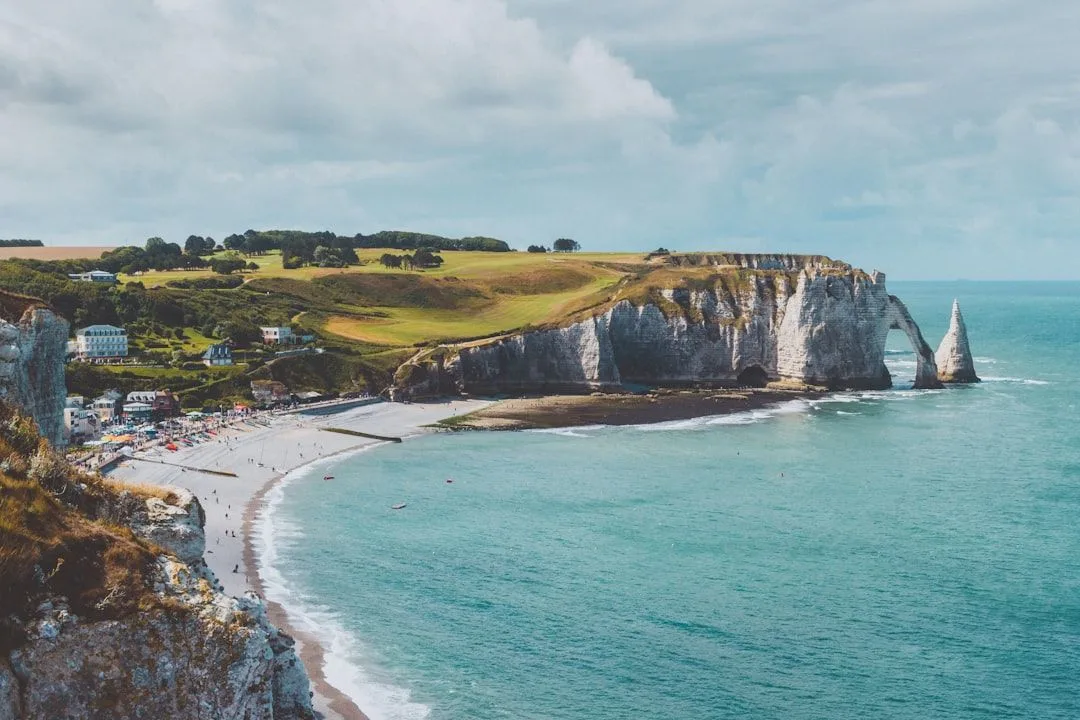
Greek island hopping sounds romantic, and it is — until you're sitting in a ferry port at 2 AM because your boat was delayed by the meltemi wind. The key to island hopping is: don't hop too much. Three islands in 10 days is the maximum. Every island change costs a half-day of travel and a night of accommodation. This route does Athens plus three Cycladic islands — Naxos, Milos, and Folegandros — chosen because they're beautiful, affordable, and not overrun by cruise ships.
Day 1-2: Athens
Arrive in Athens. Stay in Psyrri or Exarchia (€50-80/night) — neighborhoods where Athenians eat and drink, not where tourists go. Avoid Plaka — it's pretty but every restaurant is a tourist trap.
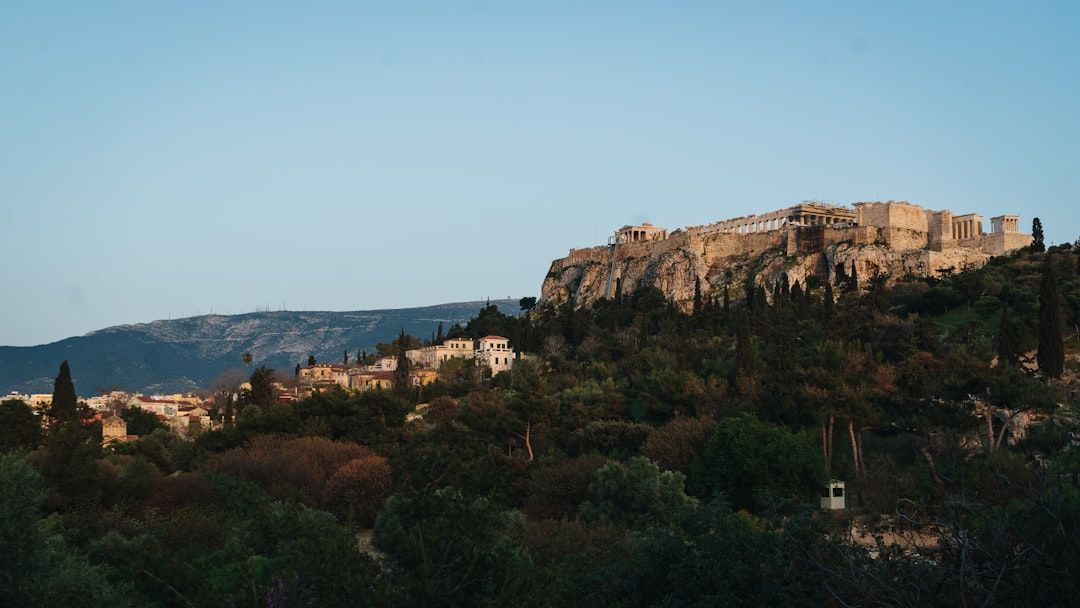
Day 1: The Acropolis at 8 AM (€20-30, go at opening to beat the heat and crowds). The Parthenon, the Erechtheion, and the view over the city. Walk down to the Ancient Agora (same ticket) — where Socrates taught. Afternoon: the Acropolis Museum (€15) — the best museum in Greece, with the Parthenon marbles that the British Museum hasn't returned.
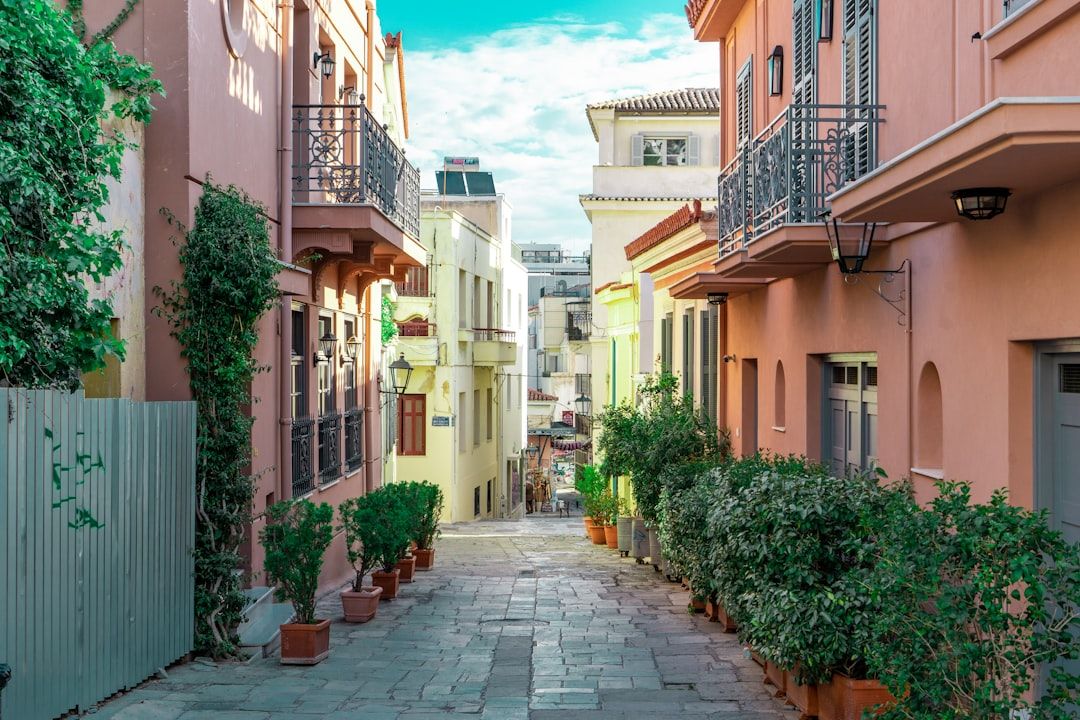
Day 2: Walk the city. Start at Syntagma Square (the changing of the guard at 11 AM — the evzones in their 400-pleat skirts). Walk through the National Gardens to the Panathenaic Stadium (€5, the stadium of the first modern Olympics, built on the site of the ancient one). Walk to Anafiotika — a cluster of white houses on the side of the Acropolis hill, built by islanders in the 19th century. It looks like a Cycladic village in the middle of Athens. Eat at Karamanlidika (€12-20) — cured meats and cheeses from Thrace. Evening: drinks in Psyrri or Exarchia.
Day 3-5: Naxos
Take the ferry from Piraeus (Athens' port) to Naxos. The fast ferry (Naxos Lines or Sea Jets) takes 3-4 hours (€45-60). The slow ferry (Blue Star) takes 5-6 hours (€35-45). Book on ferryhopper.com — the best site for Greek ferry booking. The slow ferry is bigger, more stable, and less likely to be cancelled by wind.
Why Naxos? It's the largest Cycladic island and the most underrated. It has mountains (Mount Zas, 1,004 m), valleys with olive groves, 40 km of beaches, and a main town with a Venetian castle. It's what Santorini was 30 years ago — beautiful, authentic, and cheap.
Stay in the main town (Chora) or in Agia Anna (a beach village 5 km south). Hotel: €50-80/night. Rent a car (€25-35/day) — you need it to reach the mountain villages and the south coast beaches.
Day 3: Arrive in Naxos. Walk the Chora — the old town is a maze of white lanes with a Venetian castle at the top. Walk the causeway to the Portara — a 2,500-year-old marble doorway on a headland, all that remains of a temple to Apollo. Sunset here is the best on the island. Eat at Taverna Dionysos (€15-25) — the grilled octopus and the Naxos potato salad (Naxos potatoes are the best in Greece).
Day 4: Beach day. Drive to the southwest coast — Agios Prokopios (1 km of sand, sunbeds €5), Plaka (3 km of sand, less developed), and Mikri Vigla (the best beach, divided by a cliff into a windy side for kitesurfing and a calm side for swimming). The water is turquoise and the sand is fine. Eat at Taverna Glyfada (€15-20) — on the beach at Mikri Vigla, the grilled fish is caught that morning.
Day 5: Mountain villages. Drive to Apeiranthos (600 m altitude) — a marble village with slate roofs and four small museums (free). Walk the old lanes. Continue to Chalki — a medieval town with a citron distillery (visit the Vallindras distillery, free, taste the kitron liqueur). Drive to the Kouros statues at Apollonas — 6th century BC marble figures, never finished, still lying in the quarry. 10 meters long. Eat at Taverna Giorgos in Apollonas (€15-20) — the lamb is cooked in a wood oven.
Day 6-8: Milos
Take the ferry from Naxos to Milos (2-3 hours, €35-50). The inter-island ferries run 1-2 times per day — check the schedule on ferryhopper.com and book ahead in July-August.
Why Milos? Milos is a volcanic island with the most diverse coastline in the Cyclades — white volcanic rock, sea caves, and turquoise water. Sarakiniko looks like the moon. Kleftiko is a bay of white cliffs reachable only by boat. It's what Santorini looks like below the crowds.
Stay in Adamantas (the port town) or Pollonia (a fishing village on the north coast). Hotel: €50-90/night. Rent a car (€25-35/day) — the best beaches are on different sides of the island.
Day 6: Arrive in Milos. Walk Adamantas — a small port town with a maritime museum (€3). Drive to Plaka (the main town, on a hill above the harbor) — white houses, bougainvillea, and a sunset view from the church of Panagia Thalassitra. Eat at O Hamos in Plaka (€15-25) — the pork filet with mustard sauce and the watermelon pie.
Day 7: Beach tour. Start at Sarakiniko (10 minutes from Adamantas) — a beach of white volcanic rock, no sand, smooth formations and turquoise water. Go at 8 AM for the best light and no people. Then drive to Paliochori (20 minutes) — a beach with hot springs bubbling into the sea. The water is warm in patches. Eat at Taverna Akti at Paliochori (€15-25) — the pasta with seafood is cooked in the hot spring water. Afternoon: Papafragas — a swimming hole between two cliffs, 5 minutes from Paliochori.
Day 8: Boat tour around the island (€40-60, full day, book in Adamantas). The boat goes to Kleftiko (white cliffs and sea caves, swim through the tunnels), the fishing villages you can't reach by road, and the volcanic formations on the south coast. Bring snorkeling gear — the water is crystal clear. Lunch is included (grilled fish and salad on the boat). Return at 6 PM.
Day 9-10: Folegandros
Take the ferry from Milos to Folegandros (50 minutes, €15-25). Folegandros is what Santorini was 40 years ago — a cliff-top town with a Venetian castle, white houses, and a church at the highest point. No crowds, no cruise ships, no €400 hotels.
Stay in the Chora (the main town). Hotel: €50-80/night. No car needed — the town is walkable and the beaches are reached by foot or boat.
Day 9: Walk the Chora — the most beautiful town in the Cyclades. Three squares, each with a different character, connected by white lanes. The church of Panagia sits on a cliff above the sea — walk up at sunset (10 minutes from town). The whole town turns gold. Eat at Pounta (€15-25) — the matsata (handmade pasta with rabbit) is the Folegandros specialty.
Day 10: Beach day. Walk to Agkali Beach (15 minutes from the Chora) — a small cove with a taverna. Or take the boat from Karavostasis (the port) to Livadaki — a beach in a cove with no facilities. Bring water and food. Afternoon: take the ferry back to Athens (4-9 hours depending on the boat, €25-45). Or fly from Milos to Athens (Olympic Air, €60-80, 45 minutes) — if you take the morning ferry Milos-Folegandros-Milos, you can catch an afternoon flight.
Ferry Planning
| Route | Time | Cost | Frequency |
|---|---|---|---|
| Piraeus → Naxos | 3-6h | €35-60 | 2-3/day |
| Naxos → Milos | 2-3h | €35-50 | 1-2/day |
| Milos → Folegandros | 50 min | €15-25 | 1-2/day |
| Folegandros → Piraeus | 4-9h | €25-45 | 1-2/day |
Book on ferryhopper.com 1-2 weeks ahead. In July-August, book 3+ weeks ahead — ferries sell out. The meltemi wind (July-August) can cancel fast ferries — the slow ferries (Blue Star) are more stable and rarely cancelled.
When to Go
May-June is the best time — warm (25°C), the islands are green from spring rain, the crowds haven't arrived, and the sea is warming up (19-22°C). September-October is the second best — the sea is warmest (24-25°C in September) and the crowds are gone. July-August is hot (35°C), crowded, and the meltemi wind cancels ferries. Avoid.
What to Skip
- Mykonos: €400 hotel rooms, cruise-ship crowds, and restaurants serving frozen moussaka. If you want a party island, go to Ios. If you want a beautiful island, go to Folegandros.
- Santorini: Beautiful but ruined by its own popularity. If you must go, go in May or October, stay in Imerovigli (not Oia), and leave after 2 nights.
- Ios: A party island full of 18-year-old Australians. Skip unless that's your scene.
Money
Greece is the cheapest country in Western Europe. Hotels: €50-80/night on the islands. Meals: €12-20 at a taverna. Ferries: €15-60 per leg. Car rental: €25-35/day. Budget €60-90/day including accommodation. Bring cash — many tavernas and small hotels don't take cards. ATMs are in every town but can run dry on small islands in August.
Frequently asked questions
How much does journey planning & routes cost?
A typical journey planning & routes experience costs between $70-400 per day depending on your tier. Budget travelers can manage on $70-100/day, mid-range $120-200/day, and luxury $200-400+/day. In Athens, Greece, prices align with these ranges.
What's included in the cost?
Costs typically include accommodation, meals, local transport, and activities. Accommodation is the biggest variable — booking directly and traveling in shoulder season can save 30-50%.
Are there hidden costs?
Watch for resort fees, transport to remote locations, and seasonal surcharges. Budget 15-20% above the base cost for incidentals, tips, and unexpected expenses.
Olapath Editorial
50+ destinations reviewed
The Olapath editorial team covers Journey Planning & Routes with firsthand experience and honest recommendations.