Germany Road Trip Route
A 7-day Germany road trip from Berlin to Munich through the Romantic Road, the Bavarian Alps, and the Black Forest — with autobahn tips and where to stop.
Olapath Editorial
August 15, 2026 · 4 min read
Key takeaways
- The autobahn has no speed limit on most sections (where there's no limit, you can drive as fast as you want), the roads are well-maintained, the signage is clear, and the scenery changes every 200 km — from the flat…
- This route goes from Berlin to Munich in 7 days, through the Romantic Road, the medieval towns of Bavaria, and the Alps.
- Drive from Berlin to Leipzig (190 km, 2 hours on the A9).
- Drive from Nuremberg to Rothenburg ob der Tauber (80 km, 1 hour on the A6 and B25).
- Drive from Rothenburg to Neuschwanstein (180 km, 2.5 hours on the A7 and B17).
Germany is the best country in Europe for a road trip. The autobahn has no speed limit on most sections (where there's no limit, you can drive as fast as you want), the roads are well-maintained, the signage is clear, and the scenery changes every 200 km — from the flat plains of the north to the Alps of the south. This route goes from Berlin to Munich in 7 days, through the Romantic Road, the medieval towns of Bavaria, and the Alps.
Day 1-2: Berlin
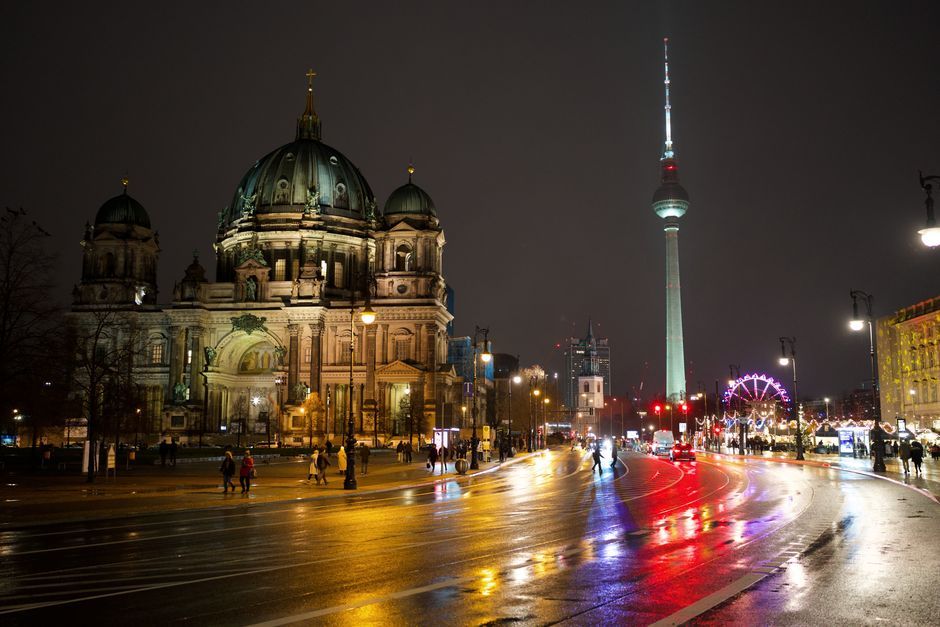
Pick up the rental car at Berlin Tegel or BER airport. Don't drive in Berlin — the public transport is excellent and parking is expensive (€2-3/hour in the center). Leave the car at the hotel and explore Berlin by metro and bike.
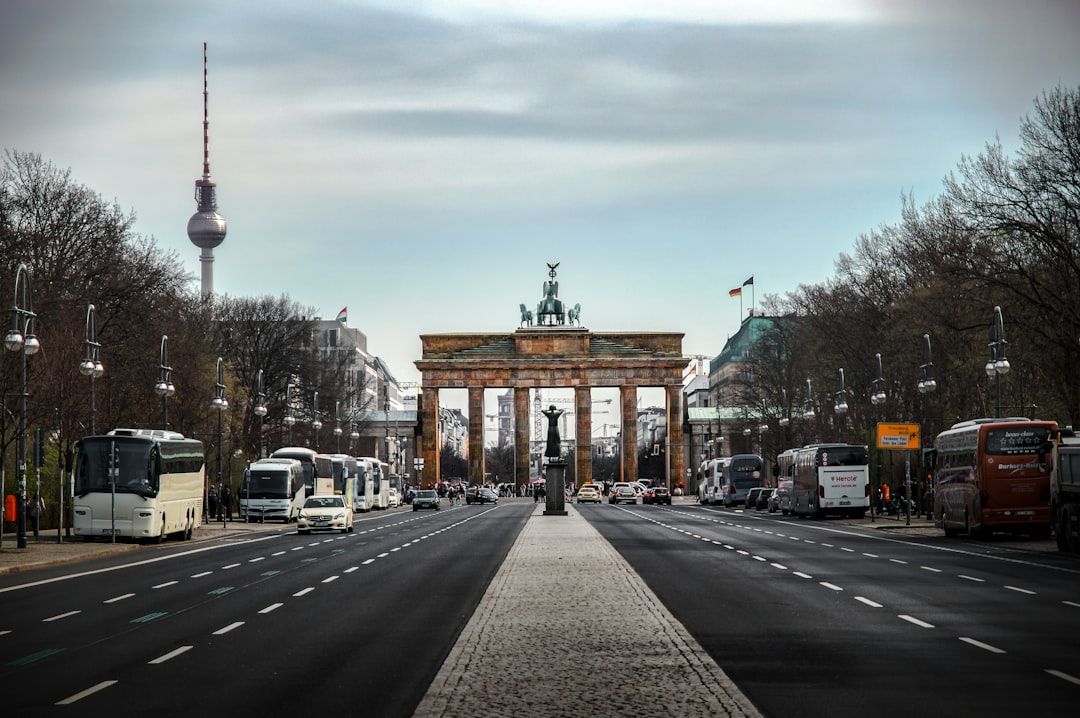
Day 1: Walk the Berlin Wall — the East Side Gallery (free, 1.3 km of murals painted on the wall in 1990). Walk through the Brandenburg Gate (free) to the Reichstag (free, book ahead at bundestag.de — the glass dome has a 360° view of the city). Visit the Memorial to the Murdered Jews of Europe (free, 2,711 concrete blocks in a grid — walk through it, the ground rises and falls and the blocks tower above you). Afternoon: Museum Island — the Pergamon Museum (€19, the Ishtar Gate from Babylon) and the Neues Museum (€19, the bust of Nefertiti).
Day 2: Walk the neighborhood of Kreuzberg — the Turkish market (Tuesday and Friday on Maybachufer), the Berliner Unterwelten (underground tours of Nazi bunkers, €16, book ahead), and the East Berlin architecture along Karl-Marx-Allee. Eat a currywurst at Curry 36 (€3.50, the best in Berlin) and a döner kebab at Mustafa's Gemüse Kebap (€5, the queue is 30 minutes but worth it). Evening: drinks in a Späti (a late-night shop that sells beer — buy a bottle for €2 and drink it on the street, which is legal in Berlin).
Stay in Kreuzberg or Neukölln (€60-100/night). These are the real Berlin neighborhoods — full of artists, immigrants, and bars.
Day 3: Berlin to Leipzig to Nuremberg
Drive from Berlin to Leipzig (190 km, 2 hours on the A9). Leipzig is the new Berlin — cheaper, younger, and with the same pre-gentrification energy. The city was the center of the 1989 protests that brought down the East German regime. Visit the Stasi Museum (€8, the former headquarters of the East German secret police) and the Thomaskirche (€4, where Bach worked for 27 years and is buried). Eat at Barthels Hof (€15-20, Saxon food — the Leipziger Allerlei is a vegetable dish invented here).
Continue to Nuremberg (250 km, 2.5 hours on the A9). Nuremberg is the city most associated with Nazi Germany — the rallies were held here and the war crimes trials were here. Visit the Documentation Center at the Reichsparteitagsgelände (€6, the Nazi rally grounds, now a museum in the unfinished Congress Hall). Then visit the Memorium Nürnberger Prozesse (€6, the courtroom where the Nuremberg Trials were held — it's still a working courtroom). The old town is also beautiful — the Kaiserburg (Imperial Castle, €7, the view over the red roofs) and the Schöner Brunnen (a 14th-century fountain on the market square). Eat Nürnberger Rostbratwürste (€8-12, small grilled sausages, three for €5 at Bratwurstglöcklein im Handwerkerhof).
Stay in Nuremberg (€60-90/night).
Day 4: The Romantic Road — Rothenburg ob der Tauber
Drive from Nuremberg to Rothenburg ob der Tauber (80 km, 1 hour on the A6 and B25). The Romantic Road (Romantische Straße) is 350 km of medieval towns from Würzburg to Füssen. Rothenburg is the highlight — a walled medieval town that survived the Thirty Years' War and World War II (it was spared because an American general knew it from his mother's art books).
Walk the town walls (free, you can walk the entire 3.4 km circuit on top of the wall). Visit the Rathaus (Town Hall, €5 for the tower) and the St. Jakobskirche (€2, the Blood Altar by Tilman Riemenschneider — a 500-year-old wood carving of the Last Supper). Walk the Plönlein — the most photographed spot in Germany (a cobblestone lane with a fountain and two gates, one uphill and one downhill).
Do the Night Watchman tour (€18, 8 PM in English, April-December) — a man in medieval costume walks you through the town telling stories about medieval life, plague, and crime. It's the best city tour in Germany.
Eat at Zur Höll (€20-30, Burggasse 8, since 1470 — the oldest restaurant in Rothenburg). The Schäufele (pork shoulder) is the Franconian specialty. Try a Schneeball (snowball, €3 — a ball of fried dough covered in chocolate or sugar, a Rothenburg specialty since 1800).
Stay in Rothenburg (€70-100/night inside the walls). Park outside the walls (€5/day) — driving inside is restricted.
Day 5: The Bavarian Alps — Neuschwanstein and Garmisch
Drive from Rothenburg to Neuschwanstein (180 km, 2.5 hours on the A7 and B17). Neuschwanstein is the most famous castle in the world — the model for the Disney castle, built by Ludwig II of Bavaria in 1869. It's perched on a cliff above the Pöllat gorge with the Alps behind it.
Book ahead at ticket-center-hohenschwangau.de (€15 for the castle tour, €25 with the museum). The tour is 35 minutes — the interior is extravagant (a throne room with a mosaic floor of 2 million stones, a bedroom carved in Gothic style that took 14 woodcarvers 4 years). But the best view is from the Marienbrücke (Mary's Bridge, free) — a bridge over the gorge that gives you the classic postcard view.
After the castle, drive to Garmisch-Partenkirchen (60 km, 1 hour on the B23). Garmisch is the premier Alpine resort in Germany — the Zugspitze (Germany's highest mountain at 2,962 m) is here, and the Partnachklamm (a 700-meter-long gorge with waterfalls cascading through it) is the best natural sight in Bavaria (€6 entry, walk through the gorge on a boardwalk bolted to the cliff).
Stay in Garmisch (€80-120/night). Eat at Gasthof Fraundorfer (€15-25, the Schweinshaxe — roast pork knuckle with crackling — and the beer is from the local brewery). The restaurant has live Bavarian music and the waitresses wear dirndls.
Day 6: Munich
Drive from Garmisch to Munich (100 km, 1 hour on the A95). Munich is Germany's most livable city — wealthy, green, and with more beer gardens than any city in the world.
Morning: The Marienplatz — the main square, with the Glockenspiel (free, 11 AM and 12 PM — a 43-bell carillon with jousting knights and dancing coopers). Walk to the Viktualienmarkt (the food market, €3-10 for snacks — the best pretzels in Munich at Müller-Brot, the best cheese at Käse Kästle). Visit the Residenz (€8, the former royal palace — the Antiquarium is a 66-meter hall of Renaissance frescoes, the largest Renaissance hall north of the Alps).
Afternoon: The English Garden (Englischer Garten, free) — larger than Central Park, with a Chinese tower, a Japanese tea house, and a river wave where people surf (the Eisbachwelle, free to watch, the only urban surfing spot in Europe). Walk to the Beer Garden at the Chinese Tower (€10-15, a Mass — 1 liter — of Augustiner beer and a radi — roast pork). Or go to the Hofbräuhaus (€10-15, the most famous beer hall in the world, 1,300 seats, live music, and the same beer since 1589).
Art: The Pinakothek der Moderne (€10, modern art — Picasso, Warhol, Richter) or the Alte Pinakothek (€7, Old Masters — Rubens, Dürer, Rembrandt). The Lenbachhaus (€10, the Blue Rider group — Kandinsky, Marc, Münter).
Stay in Munich (€80-130/night, avoid the area around the Hauptbahnhof — it's seedy). Stay in Maxvorstadt (the museum district) or Glockenbachviertel (the trendy district).
Day 7: Munich Deep Dive
Morning: Day trip to Dachau (€5, 20 minutes by S-Bahn from Munich — the first Nazi concentration camp, now a memorial. The audio guide is essential. 3-4 hours. Not easy, but necessary). Or day trip to Andechs (40 minutes by S-Bahn + bus) — a Benedictine monastery on a hill above the Ammersee, with a brewery that's been making beer since 1455. The Andechser Doppelbock is €4.50 for a half liter. The monastery church is baroque and the view from the tower covers the Alps.
Afternoon: BMW World and Museum (€10, next to the Olympic Park — the museum has 125 years of BMW history, from the first motorcycle to the electric i8). Or the Deutsches Museum (€14, the world's largest science and technology museum — 28,000 objects on 50,000 square meters. The aviation and mining sections are the best).
Last dinner: Augustiner-Keller (€15-25, a traditional beer garden with chestnut trees, the Schweinshaxe and the potato salad. The Augustiner beer is Munich's favorite — it's not exported, you can only get it here). Or Tantris (€80-120, two Michelin stars, the best restaurant in Munich — book months ahead).
Route Summary
| Day | City | Distance | Drive time |
|---|---|---|---|
| 1-2 | Berlin (no car) | — | — |
| 3 | Berlin → Leipzig → Nuremberg | 440 km | 4.5h |
| 4 | Nuremberg → Rothenburg | 80 km | 1h |
| 5 | Rothenburg → Neuschwanstein → Garmisch | 240 km | 3.5h |
| 6 | Garmisch → Munich | 100 km | 1h |
| 7 | Munich (day trips by train) | — | — |
Total driving: 860 km over 4 driving days. Tolls: €0 (German autobahns are toll-free for cars). Gas: ~€100 (diesel €1.65/liter, petrol €1.75/liter). Car rental: €30-50/day for a compact, 5 days = €150-250.
Autobahn Tips
- No speed limit: On unrestricted sections (marked with a round sign with 3 diagonal lines, or no sign at all), there is no speed limit. The recommended speed is 130 km/h. Driving 200+ km/h is legal but dangerous — watch your mirrors.
- Left lane for passing only: Never sit in the left lane. Pass and move right immediately. German police ticket lane hogs.
- Stau (traffic jams): Common on the A9 between Berlin and Munich. Check the ADAC app before driving. When traffic stops, form a Rettungsgasse (emergency lane) — move right to the right shoulder, left to the center. It's mandatory and fined if you don't.
- Gas: Autobahn gas stations charge 20-30% more than stations off the autobahn. Fill up in towns.
When to Go
May-September is the best time — 20-25°C, the beer gardens are open, and the Alpine roads are clear. October is Oktoberfest in Munich (mid-September to early October — book hotels 6+ months ahead, prices triple). December is the Christmas markets (every town has one, the best are in Nuremberg and Rothenburg). Avoid January-March — cold, dark, and Alpine roads may require snow chains.
Money
Germany is mid-range for Europe. Hotels: €60-130/night. Meals: €10-15 for lunch, €15-25 for dinner at a beer garden. Beer: €8-12 for a liter (Mass). Gas: €1.65-1.75/liter. Autobahn: free. Car rental: €30-50/day. Budget €90-130/day including accommodation and car.
Frequently asked questions
What is the best time to visit Berlin, Germany?
The best time to visit Berlin, Germany is during shoulder season (April-May or September-October) when weather is mild, prices are lower, and crowds are smaller. Peak season offers the best weather but costs 30-50% more.
How much does a trip to Berlin, Germany cost?
A 3-night trip to Berlin, Germany costs approximately $420-1,600 for two people, depending on accommodation tier. Budget travelers can manage on $140/day, while luxury travelers should budget $400+/day.
Is Berlin, Germany safe for tourists?
Yes, Berlin, Germany is generally safe for tourists. As with any destination, exercise normal precautions: keep valuables secure, stay aware of your surroundings, and follow local advice regarding weather and terrain.
How do I get to Berlin, Germany?
Berlin, Germany is accessible by flight to the nearest airport, followed by ground transport. Book flights 2-3 months ahead for best prices. Local transport options include rental cars, taxis, and public transit.
Olapath Editorial
50+ destinations reviewed
The Olapath editorial team covers Journey Planning & Routes with firsthand experience and honest recommendations.