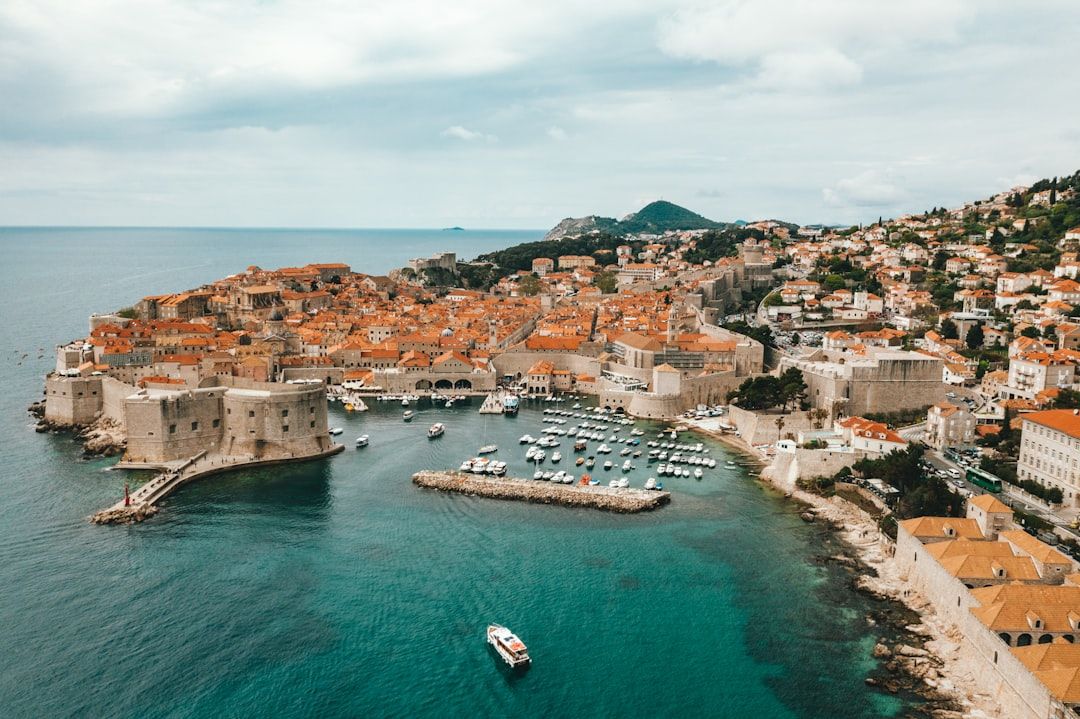
Croatia Travel Route
A 7-day Croatia route from Dubrovnik to Split through the Dalmatian coast, Hvar island, and Plitvice Lakes — with ferry times and where to swim.
Olapath Editorial
August 15, 2026 · 4 min read
Key takeaways
- Croatia is a country of 1,700 km of coastline, 1,200 islands, and eight national parks.
- The Dalmatian coast is the most dramatic — mountains dropping into the sea, medieval towns on every headland, and water so clear you can see fish 10 meters below.
- Take the ferry from Dubrovnik to Hvar (Jadrolinija, €25-40, 3.5 hours, 1-2 per day in summer, book on jadrolinija.hr or ferryhopper.com).
- Take a water taxi to the Pakleni Islands (€10-15 round-trip, 15 minutes from Hvar Town).
- Take the ferry from Hvar to Split (Jadrolinija, €10-15, 1.5 hours, 2-3 per day).
Croatia is a country of 1,700 km of coastline, 1,200 islands, and eight national parks. The Dalmatian coast is the most dramatic — mountains dropping into the sea, medieval towns on every headland, and water so clear you can see fish 10 meters below. This route goes from Dubrovnik in the south to Split in the center, with an island stop in between and a detour to Plitvice Lakes. Seven days, four places, and some of the best swimming in Europe.
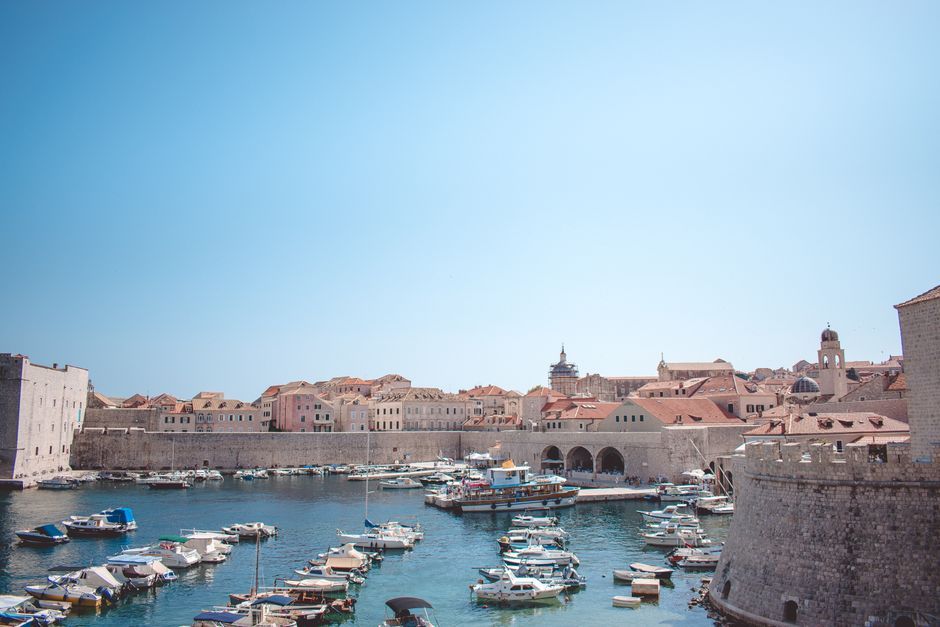
Day 1-2: Dubrovnik
Arrive in Dubrovnik. Stay in the old town (€80-130/night) or in Lapad (€60-90/night, a peninsula 10 minutes by bus from the old town — cheaper and with beaches). Avoid staying near the cruise port — it's loud when ships arrive.
Day 1: Walk the city walls (€35, 2 hours, 1.9 km — the best city walls in Europe, built between the 12th and 17th centuries). The walls are 25 meters high in places and the view alternates between the red-tile roofs of the old town and the blue of the Adriatic. Go at 8 AM (opening) — by 10 AM it's a conga line of tourists. Visit the Franciscan Monastery (€7, the oldest pharmacy in Europe, opened in 1317 and still operating). Walk the Stradun (the main street, a limestone-paved pedestrian avenue). Take the cable car to Mount Srđ (€27 round-trip, 4 minutes — the view from the top covers the old town, the sea, and the Elaphiti Islands). Eat at Proto (€30-40, on a side street off the Stradun — the seafood risotto and the grilled sea bass are the dishes. Book ahead).
Day 2: Lokrum Island. Take the ferry from the old town port (€15 round-trip, 15 minutes). Lokrum is an uninhabited island 600 meters off Dubrovnik — pine forests, rocky beaches, a medieval monastery, and a lake. The water is crystal clear and the beaches are uncrowded (the nudist beach on the south side is the quietest). Bring food and water — there's one café on the island. Return at 5 PM. Evening: walk the Buža Bar (through a hole in the city wall, on a cliff over the sea — the best sunset spot in Dubrovnik, €5 for a beer).
Day 3: Hvar Island
Take the ferry from Dubrovnik to Hvar (Jadrolinija, €25-40, 3.5 hours, 1-2 per day in summer, book on jadrolinija.hr or ferryhopper.com). Or take the Krilo fast boat (€30-45, 2.5 hours, book on krilo.hr). The ferry goes along the coast — past the Pelješac peninsula and the Korčula island.
Hvar is the sunniest island in Croatia (2,715 hours of sun per year). Hvar Town is a Venetian harbor town with a fortress on the hill above it. Walk to the Španjola Fortress (€7, 15 minutes up a switchback path — the view over the harbor and the Pakleni Islands is the best in Hvar). Visit the Franciscan Monastery (€5, a 15th-century monastery with a painting by the Venetian master Palma il Giovane). Walk the waterfront promenade and the main square (the largest in Dalmatia, with a 16th-century well and the cathedral).
Stay in Hvar Town (€70-120/night) or in Stari Grad (€50-80/night, 30 minutes by bus from Hvar Town — a quieter, older town founded by the Greeks in 384 BC). Eat at Gariful (€25-35, on the waterfront — the grilled octopus and the black risotto with cuttlefish ink). Or at Konoba Luviji in Stari Grad (€15-25, the lamb peka — meat cooked under an iron bell with potatoes and herbs, order 4 hours ahead).
Day 4: Hvar Beaches and Pakleni Islands
Take a water taxi to the Pakleni Islands (€10-15 round-trip, 15 minutes from Hvar Town). The Pakleni Islands are a chain of 16 uninhabited islands off Hvar — pine forests, rocky coves, and the clearest water in the Adriatic. Jerolim is the nudist island (the cleanest water). Stipanska is the party island (a beach bar with DJ). Mlin is the quiet one (one restaurant, no bar, no music).
Or take a boat tour around the islands (€40-60, full day, includes lunch — the boat stops at 4-5 coves for swimming and snorkeling). The Skarinski Canal between Hvar and the Pakleni Islands is 20 meters deep and the water is transparent — you can see the bottom from the boat.
Return to Hvar Town for dinner. Eat at Black Pepper (€20-30, modern Dalmatian — the tuna tartare and the homemade pasta with truffles). Drink at Nono (€5-8 per drink, a cocktail bar above the harbor with a view).
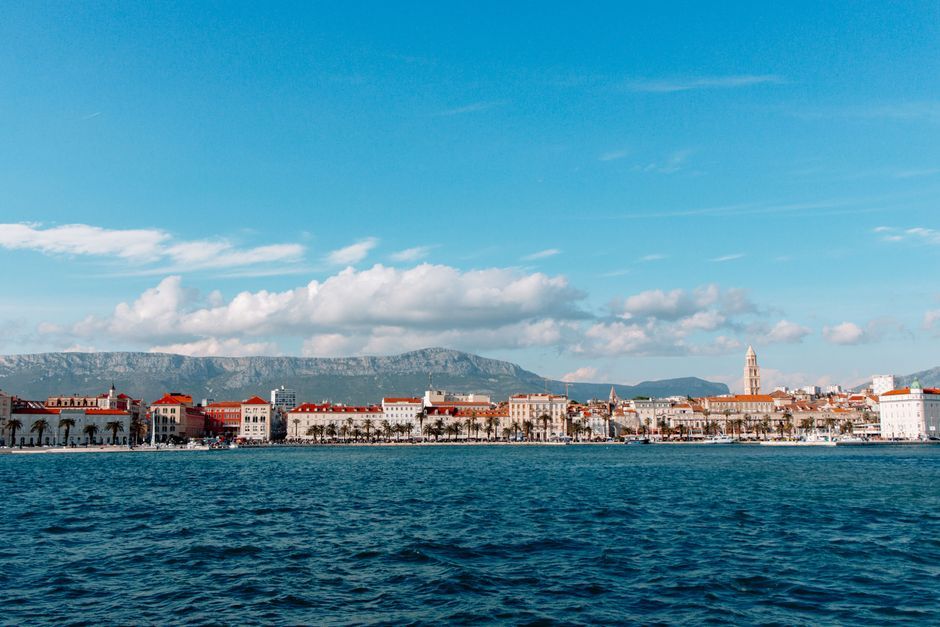
Day 5: Split
Take the ferry from Hvar to Split (Jadrolinija, €10-15, 1.5 hours, 2-3 per day). Or the Krilo fast boat (€15-25, 1 hour). The ferry crosses the Split channel and arrives at Split harbor — one of the most dramatic arrivals in Europe, with the mountains behind the city and the Diocletian's Palace on the waterfront.
Split is built inside a Roman palace. Diocletian's Palace (free to walk through, some sections €10) was built in 305 AD as the retirement home of the Roman emperor Diocletian. After the Roman Empire fell, people moved into the palace and built houses inside it. Today, 3,000 people live inside the palace walls — it's a Roman ruin that's also a functioning neighborhood. Walk the Peristyle (the main square, with the cathedral — originally Diocletian's mausoleum, the oldest cathedral in the world still in use). Visit the Temple of Jupiter (€5, now a baptistery with a 13th-century statue of St. John by Ivan Meštrović). Walk the basement of the palace (€10, the underground halls — used as a film location for Game of Thrones). Climb the cathedral bell tower (€10, 60 meters, the view over the old town and the harbor).
Walk the Riva — the waterfront promenade, lined with palm trees and cafés. Eat at Konoba Varos (€20-30, in the Varos neighborhood outside the palace — the peka (meat or fish cooked under an iron bell) and the Dalmatian pašticada (beef stewed in wine and prunes). Stay in Split (€60-100/night — stay inside the palace or in Varos).
Day 6: Plitvice Lakes
Take a bus from Split to Plitvice Lakes (€20-25, 3 hours, 2-3 per day, book on arriva.com.hr or flixbus.com). Or rent a car (2.5 hours on the D1, a scenic road through the Velebit mountains).
Plitvice Lakes National Park (€10-40 depending on season, book ahead at np-plitvicka-jezera.hr) is the most beautiful national park in Croatia — 16 interconnected lakes separated by travertine barriers, with 90 waterfalls. The water is turquoise and the lakes are surrounded by forest. The upper lakes are quieter; the lower lakes have the biggest waterfall (Veliki Slap, 78 meters).
Walk the H route (4-6 hours, the full circuit — upper lakes by boat, lower lakes by foot, and a panoramic train back). The boat ride across Lake Kozjak (included in the ticket) is the best part — you glide over water so clear you can see the bottom 8 meters below. Bring water and snacks — the park restaurants are expensive and bad. Wear good shoes — the trails are wooden boardwalks over the water, slippery when wet.
Stay near Plitvice (€50-80/night in a guesthouse in one of the nearby villages — Mukinje, Grabovac, or Korenica). Eat at Licka Kuca (€15-25, the lamb and potatoes cooked under an iron bell — peka — and the Lika cheese).
Day 7: Return to Split or Continue to Zagreb
From Plitvice, take a bus to Zagreb (€15-20, 2.5 hours) or back to Split (€20-25, 3 hours). If you have time, spend a day in Zagreb — the capital has a medieval upper town (Gornji Grad), a cathedral with a 108-meter neo-Gothic spire, and the Museum of Broken Relationships (€7, a museum of objects donated by people who went through breakups — surprisingly moving and the most original museum in Croatia). Eat at Trilogija (€15-25, the štrukli — baked cheese pastry — and the veal knuckle under iron bell).
Depart from Zagreb airport (20 minutes by bus from the city center) or Split airport (30 minutes by bus).
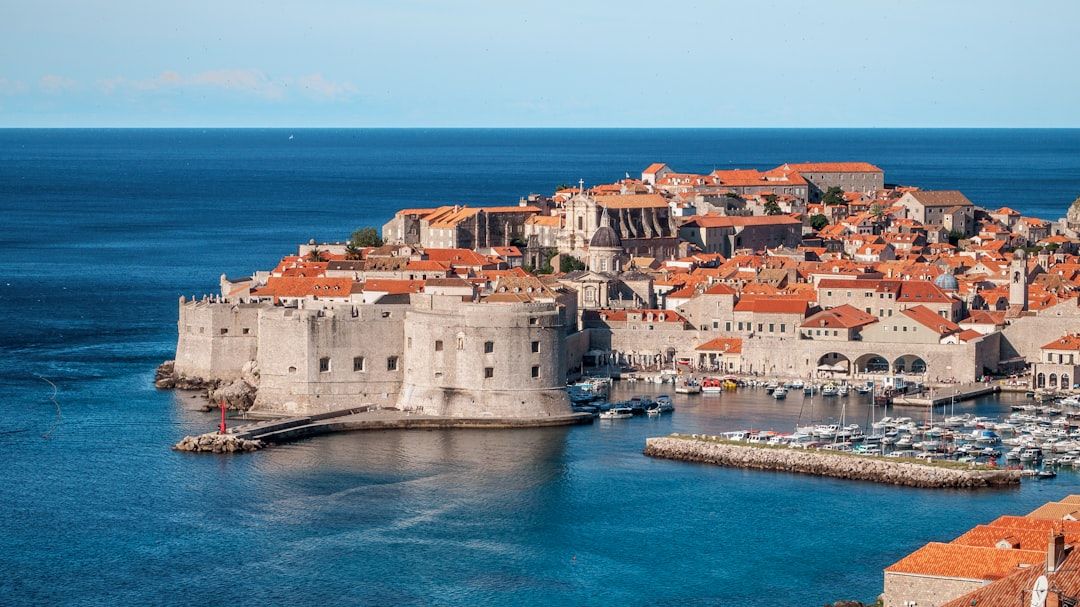
Route Summary
| Day | City | Transport | Time |
|---|---|---|---|
| 1-2 | Dubrovnik | — | — |
| 3-4 | Hvar | Ferry from Dubrovnik | 2.5-3.5h |
| 5 | Split | Ferry from Hvar | 1-1.5h |
| 6 | Plitvice | Bus from Split | 3h |
| 7 | Zagreb or Split | Bus from Plitvice | 2.5-3h |
Transport costs: Dubrovnik-Hvar ferry €25-45, Hvar-Split ferry €10-25, Split-Plitvice bus €20-25, Plitvice-Zagreb bus €15-20. Total: €70-115. Book ferries on ferryhopper.com, buses on flixbus.com or arriva.com.hr.
When to Go
June-September is the best time — 25-30°C, the sea is warm (24-26°C), and the ferries run daily. July-August is peak season — crowded and expensive (hotels double in price, ferries sell out). May and September are ideal — warm enough to swim, half the crowds, and prices drop 30%. October-April is cold (10-15°C) and many hotels and restaurants on the islands close. The Dubrovnik-Split ferry runs year-round but the island-hopping ferries are reduced to 1-2 per week in winter.
Money
Croatia adopted the euro in 2023. Hotels: €60-130/night. Meals: €15-25 for lunch, €25-40 for dinner. Ferries: €10-45 per leg. National parks: €10-40. Budget €80-120/day including accommodation. Dubrovnik is the most expensive city (50% more than Split or Hvar). Plitvice is the cheapest area. Bring cash — some restaurants and guesthouses don't take cards, especially on the islands.
Frequently asked questions
Is journey planning & routes worth it?
Yes, journey planning & routes is worth it for travelers who value quality experiences. The key is choosing the right option for your budget and travel style — our guide above breaks down the top picks.
How much does journey planning & routes cost?
Costs vary depending on location, season, and type. Budget options start around $70-100/night, mid-range $120-200/night, and luxury $200-400+/night. See our price table above for details.
When should I book journey planning & routes?
Book 2-3 months ahead for peak season, 1 month for shoulder season. Last-minute deals exist but are risky — book early for the best selection and prices.
Olapath Editorial
50+ destinations reviewed
The Olapath editorial team covers Journey Planning & Routes with firsthand experience and honest recommendations.