Best Europe Road Trip Route
A 14-day Europe road trip through five countries — France, Switzerland, Italy, Austria, and Germany — with Alpine passes, lakes, and medieval towns.
Olapath Editorial
August 15, 2026 · 3 min read
Key takeaways
- A Europe road trip is the best way to see the continent — if you choose the right route.
- The wrong route is flat, industrial, and boring.
- Drive from Annecy to Interlaken (250 km, 3.5 hours, Swiss vignette €40 for the year — required for all Swiss highways).
- Drive from Lucerne to Lake Como (250 km, 3.5 hours via the Gotthard Road Tunnel — 17 km, the longest road tunnel in the Alps, €20 toll).
- Day 11: Salzburg — Mozart's birthplace and the most beautiful Baroque city in Europe.
A Europe road trip is the best way to see the continent — if you choose the right route. The wrong route is flat, industrial, and boring. The right route goes through mountains, along lakes, and into medieval towns that trains don't reach. This route starts in Paris, crosses the Swiss Alps, descends to the Italian lakes, climbs through the Austrian Tyrol, and ends in Munich. Five countries in 14 days, 2,200 km, and some of the best driving roads in the world.
Day 1-2: Paris to the French Alps
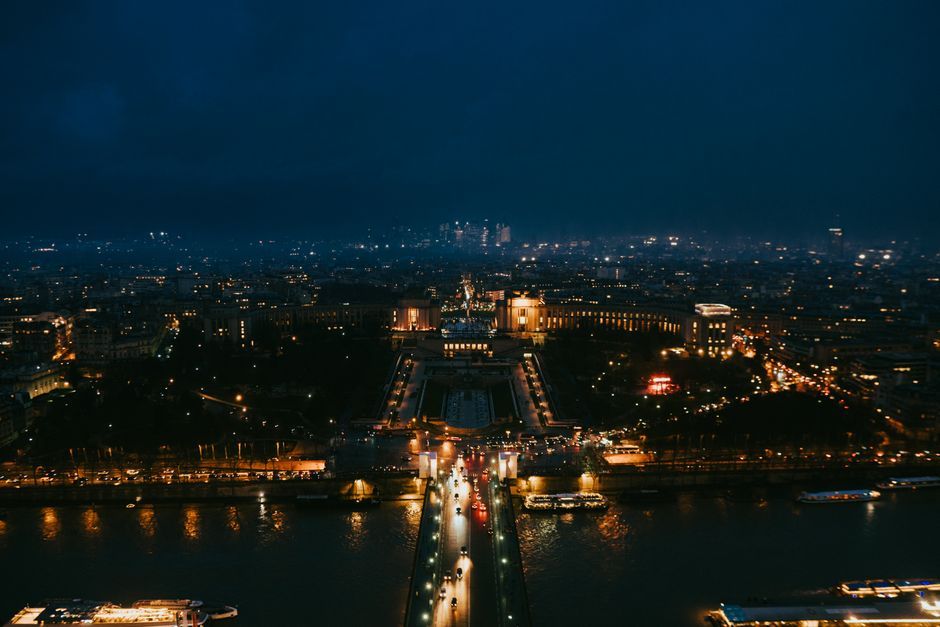
Pick up the rental car in Paris. Drive south on the A6 to Beaune (315 km, 3.5 hours, toll €23). Beaune is the wine capital of Burgundy — a medieval town with a 15th-century hospital (Hôtel-Dieu, €10, with a multicolored tiled roof that's the most photographed in France). Eat at Le Cep (€25-35, the boeuf bourguignon and the époisses cheese). Stay in Beaune (€80-120/night).
Day 2: Drive from Beaune to Annecy (200 km, 2.5 hours on the A40, toll €15). Annecy is a medieval town on a lake — the clearest lake in France, surrounded by mountains. The old town has canals lined with flowers (it's called the Venice of the Alps, though that's an exaggeration). Walk the old town, swim in the lake (water temperature 22-26°C in summer), and eat at L'Auberge du Lyonnais (€20-30, the freshwater fish — féra du lac — is the local specialty). Stay in Annecy (€70-110/night).
Day 3-4: The Swiss Alps
Drive from Annecy to Interlaken (250 km, 3.5 hours, Swiss vignette €40 for the year — required for all Swiss highways). The route goes through the Bernese Oberland — the most dramatic mountain scenery in Switzerland. Interlaken sits between two lakes (Thun and Brienz) with the Jungfrau massif (4,158 m) rising behind it.
Day 3: Take the train from Interlaken to the Jungfraujoch (€135 round-trip, 2 hours each way) — the highest railway station in Europe at 3,454 m. The train goes through a 7-km tunnel inside the Eiger mountain. At the top: a glacier palace (ice tunnels), a viewing platform, and snow year-round. Or hike the Eiger Trail (6 km, 3 hours, free with a hiking pass) — the trail runs along the base of the Eiger north face, the most notorious wall in mountaineering.
Day 4: Drive from Interlaken to Lucerne (70 km, 1.5 hours on the A8). Lucerne is the most beautiful city in Switzerland — a medieval old town on a lake, with the Chapel Bridge (built in 1333, the oldest wooden bridge in Europe) and the Lion Monument (a 10-meter lion carved into a cliff, commemorating the Swiss Guards who died defending the Tuileries in 1792). Take the boat on Lake Lucerne (€35, 2 hours) — the lake is so deep that the boat goes between mountains that rise 1,500 m from the water. Stay in Lucerne (€100-150/night — Switzerland is expensive).
Day 5-6: The Italian Lakes
Drive from Lucerne to Lake Como (250 km, 3.5 hours via the Gotthard Road Tunnel — 17 km, the longest road tunnel in the Alps, €20 toll). The tunnel emerges into Ticino — the Italian-speaking part of Switzerland, with palm trees and Lake Lugano. Continue to Como.
Day 5: Lake Como. Stay in Varenna (€80-120/night) — a village on the eastern shore with a ferry to Bellagio and Menaggio. Visit Villa Monastero (€10, a botanical garden along the lake) and Villa del Balbianello (€20, a museum in a villa used in Casino Royale). Take the ferry to Bellagio (€5, 15 minutes) — the most famous village on the lake, with stepped lanes and lake-view restaurants. Eat at Al Prato in Varenna (€25-35, the lake fish — lavarello — and the risotto with perch).
Day 6: Drive from Como to Verona (220 km, 2.5 hours on the A4, toll €15). Verona is a Roman city with a 1st-century arena (€10, still used for opera in summer — book an opera ticket for €25-150 if you're there in July-August), a medieval castle (Castelvecchio, €6, with a bridge over the river), and Juliet's balcony (€6, the balcony from Romeo and Juliet — touristy but the view from the tower is good). Eat at Trattoria Tre Marchetti (€20-30, the risotto all'Amarone — risotto cooked with Amarone wine — is the Veronese specialty). Stay in Verona (€70-100/night).
Day 7-8: The Dolomites
Drive from Verona to the Dolomites (180 km, 2.5 hours on the A22 and SS48). The Dolomites are the most dramatic mountains in Italy — limestone spires that turn pink at sunset (the enrosadira). Stay in Cortina d'Ampezzo (€100-150/night) or in a smaller village like San Vito di Cadore (€70-100/night).
Day 7: Drive the Great Dolomite Road (Große Dolomitenstraße) — 110 km from Bolzano to Cortina, through the most spectacular mountain scenery in the Alps. Stops: the Carezza Lake (Lago di Carezza, free — a small lake with the Latemar mountains reflected in it), the Pordoi Pass (2,239 m, take the cable car to the summit for €20), and the Tre Cime di Lavaredo (three iconic peaks, €30 park entry, hike the 10-km loop trail around them — 3 hours, the most famous hike in the Dolomites).
Day 8: Hike the Dolomites. The Alta Via 1 is the long-distance trail, but for a day hike, do the Tre Cime loop (10 km, 3 hours, €30 park entry) or the Lago di Braies hike (4 km, 1 hour, free — the most beautiful lake in the Dolomites, with a wooden boat rental for €20/hour). Eat at a rifugio (mountain hut) — the casunziei (beet ravioli with poppy seeds) and the canederli (bread dumplings) are the local specialties. Stay in Cortina or drive to Innsbruck (180 km, 2.5 hours).
Day 9-10: The Austrian Tyrol
Drive from the Dolomites to Innsbruck (180 km, 2.5 hours on the A22 and A13, toll €10). Innsbruck is the capital of the Tyrol — a city in a valley with mountains rising on both sides. The old town has a Golden Roof (Goldenes Dachl, €5, a balcony with 2,657 gilded copper tiles built for Emperor Maximilian I in 1500). Visit the Ambras Castle (€12, a Renaissance castle with a collection of armor and art). Take the Nordkette cable car (€40 round-trip, 20 minutes from the city center to 2,256 m) — the view from the top covers the entire Inn valley and the Alps. Eat at Stiftskeller (€15-25, the Tiroler Gröstl — pan-fried beef with potatoes and a fried egg — is the Tyrolean specialty). Stay in Innsbruck (€80-120/night).
Day 10: Drive the Grossglockner High Alpine Road (Großglockner Hochalpenstraße) — 48 km of switchbacks through the Hohe Tauern mountains, reaching 2,504 m. It's the best driving road in Austria (toll €38, open May-November). The road has 36 bends and views of the Grossglockner (3,798 m, Austria's highest mountain) and the Pasterze Glacier. Stop at the Kaiser-Franz-Josefs-Höhe visitor center (included in the toll) — the view of the glacier and the mountain is the best in Austria. Continue to Salzburg (100 km, 1.5 hours from the south end of the Glockner road). Stay in Salzburg (€80-120/night).
Day 11-12: Salzburg and Bavaria
Day 11: Salzburg — Mozart's birthplace and the most beautiful Baroque city in Europe. The old town is UNESCO world heritage — the cathedral (free), the Hohensalzburg fortress (€16, take the funicular up and walk down), and the Mirabell Gardens (free, where the Sound of Music was filmed). Visit Mozart's birthplace (€14, a yellow house on Getreidegasse) and the Mozart Residence (€14, where he lived as an adult). Eat at St. Peter Stiftskulinarium (€30-50, the oldest restaurant in Central Europe — since 803 AD — the Tafelspitz is the Austrian specialty). Stay in Salzburg.
Day 12: Drive from Salzburg to Munich (150 km, 1.5 hours on the A8, no toll). Stop at the Herrenchiemsee Palace (€10, on an island in Lake Chiemsee — a replica of Versailles built by Ludwig II, take the boat for €8). Continue to Munich. Visit the Marienplatz (the Glockenspiel at 11 AM), the Viktualienmarkt (food market, €3-10 for snacks), and the Hofbräuhaus (€10-15 for a liter of beer and a pretzel). Stay in Munich (€80-130/night).
Day 13-14: The Romantic Road to the End
Day 13: Drive from Munich to Rothenburg ob der Tauber (250 km, 2.5 hours on the A9 and A6). Rothenburg is the best-preserved medieval town in Germany — walk the 3.4-km town walls (free), visit the St. Jakobskirche (€2, the Blood Altar by Riemenschneider), and do the Night Watchman tour (€18, 8 PM). Eat at Zur Höll (€20-30, the Schäufele — pork shoulder — is the Franconian specialty). Stay in Rothenburg (€70-100/night inside the walls).
Day 14: Drive from Rothenburg to Frankfurt airport (180 km, 2 hours on the A7, no toll). Drop the car and fly home. Or continue to Paris (600 km, 6 hours on the A4 and A6, toll €25) if you need to return the car there.
Route Summary
| Day | Route | Distance | Drive time |
|---|---|---|---|
| 1-2 | Paris → Beaune → Annecy | 515 km | 6h |
| 3-4 | Annecy → Interlaken → Lucerne | 320 km | 5h |
| 5-6 | Lucerne → Como → Verona | 470 km | 6h |
| 7-8 | Verona → Dolomites | 180 km | 2.5h |
| 9-10 | Dolomites → Innsbruck → Salzburg | 280 km | 4h |
| 11-12 | Salzburg → Munich | 150 km | 1.5h |
| 13-14 | Munich → Rothenburg → Frankfurt | 430 km | 4.5h |
Total: 2,345 km over 12 driving days. Tolls: France €38, Switzerland €40 (vignette), Italy €25, Austria €48 (Glockner road), Germany €0. Total: ~€150. Gas: ~€300 (€1.70/liter, 7 liters/100km × 2,345 km). Car rental: €35-60/day, 14 days = €490-840.
When to Go
June-September is the only time this route works — the Alpine passes (Grossglockner, Dolomite roads) are closed November-May. July-August is peak season — busy and expensive. June and September are ideal — fewer tourists, clear roads, and the mountains are green (June) or golden (September). The Dolomites are spectacular in late September when the larches turn yellow.
Money
This is an expensive trip — Switzerland and Austria are pricey. Budget €150-200/day including accommodation, gas, and tolls. Switzerland is the most expensive (hotels €100-150, meals €25-40, coffee €5). Italy is the cheapest (hotels €70-100, meals €15-25). Germany is mid-range (hotels €80-120, meals €15-25). Total trip cost: €2,500-3,500 for 14 days including car rental.
Frequently asked questions
Which journey planning & routes option is better for beginners?
For beginners, the simpler option is usually better. Start with something easy to manage, then upgrade once you know your preferences and travel style.
What's the price difference between journey planning & routes options?
The price difference between options typically ranges from $50-150 per night. The cheaper option isn't always the better value — consider comfort, convenience, and how often you'll use it.
Can I switch between journey planning & routes options later?
Yes, most people switch between options as their needs change. Start with whichever fits your current budget and travel style, and adjust as you gain experience.
Olapath Editorial
50+ destinations reviewed
The Olapath editorial team covers Journey Planning & Routes with firsthand experience and honest recommendations.