Belgium Travel Route
A 5-day Belgium route through Brussels, Bruges, Ghent, and Antwerp — with chocolate shops, beer bars, and the one painting you can't miss.
Olapath Editorial
August 16, 2026 · 4 min read
Key takeaways
- Belgium is 300 km wide and has more per square kilometer than any country in Europe — more medieval towns, more beer styles, more chocolate shops, more art per capita.
- It's also the easiest country to travel in by train — Brussels to Bruges is 1 hour, Brussels to Ghent is 30 minutes, Brussels to Antwerp is 45 minutes.
- Take the train from Brussels Central to Bruges (€15, 1 hour, 2 trains per hour).
- Take the train from Bruges to Ghent (€8, 30 minutes).
- Take the train from Ghent to Antwerp (€14, 1 hour).
Belgium is 300 km wide and has more per square kilometer than any country in Europe — more medieval towns, more beer styles, more chocolate shops, more art per capita. It's also the easiest country to travel in by train — Brussels to Bruges is 1 hour, Brussels to Ghent is 30 minutes, Brussels to Antwerp is 45 minutes. You can base yourself in Brussels and day-trip everywhere, or move between cities. This route does four cities in five days.
Day 1: Brussels
Arrive at Brussels Midi or Brussels Central station. Stay in the Sablon or Marolles neighborhood (€70-120/night) — the Sablon is the antique district with the best chocolate shops; the Marolles is the working-class neighborhood below it, with a flea market and cheaper restaurants. Avoid the area around Midi station — it's grimy and unsafe at night.
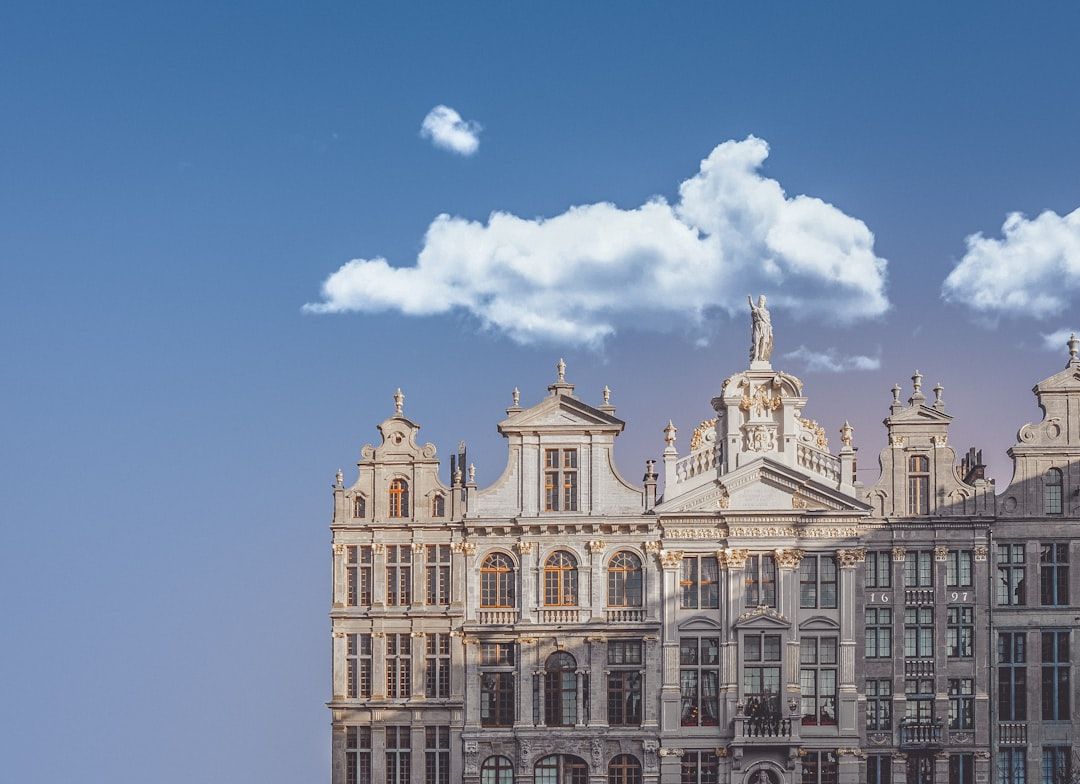
Morning: The Grand Place — the most beautiful square in Europe. 17th-century guildhalls with gilded facades, the Town Hall (€10 for a tour), and the Breadhouse (Breadhouse Museum, €8 — the history of bread, surprisingly interesting). Walk to the Manneken Pis (free) — a 60-cm bronze boy peeing into a fountain. It's Brussels' most famous sight and it's tiny and underwhelming. He has 1,000 costumes (on display at the GardeRobe Museum, €10).
Chocolate: The three best chocolate shops in Brussels are within 5 minutes of the Grand Place. Pierre Marcolini (Rue des Minimes 1) — the most refined, €25 for a box of 12. Neuhaus (Galeries Royales Saint-Hubert) — the inventor of the praline, €15 for a box of 15. Mary (Rue Royale 73) — the royal family's chocolatier, €18 for a box of 20.
Afternoon: The Royal Museums of Fine Arts (€15) — two museums in one. The Old Masters Museum has Bruegel, Rubens, and Van Dyck. The Magritte Museum has 200 works by Belgium's surrealist. Walk through the Mont des Arts (a terraced garden with a view over the city). Visit the Comic Strip Center (€12) — Belgium invented the comic strip (Tintin, the Smurfs) and this museum is in a beautiful Art Nouveau building by Victor Horta.
Beer: Brussels has more beer bars than any city in the world. Go to Delirium Café (Impasse de la Fidélité 4) — 3,000 beers on the menu, in the Guinness Book of Records. Try a Westvleteren 12 (€12, the rarest beer in the world — brewed by Trappist monks who limit production), a Cantillon Gueuze (€6, a sour lambic beer brewed in Brussels), and a Delirium Tremens (€5, the house beer). Or go to Moeder Lambic (Rue de Savoie 66, Fontainas) — the best beer bar for Belgian sour beers.
Dinner: Chez Léon (Rue des Bouchers 18, €25-35) — the moules-frites (mussels and fries) is the Brussels dish. Or Le Marmiton (Rue des Bouchers 4, €30-40) — the waterzooi (a creamy fish stew) is the Belgian specialty nobody talks about.
Day 2: Bruges
Take the train from Brussels Central to Bruges (€15, 1 hour, 2 trains per hour). Bruges is the best-preserved medieval city in Europe — a UNESCO world heritage site with canals, cobblestones, and 13th-century churches. It's also the most touristy city in Belgium — 8 million visitors a year for a town of 20,000. Go early and leave late.
Morning: Walk the Markt — the main square, with the 83-meter Belfry (€12, climb 366 steps for the view). Walk to the Burg — the second square, with the Basilica of the Holy Blood (free, a vial of Christ's blood brought back from the Crusades) and the Stadhuis (City Hall, €4, the oldest in the Low Countries, 1376).
Take a canal boat tour (€12, 30 minutes) — the canals are the best way to see the city. The boat goes through the Groenerei and the Dijver, past the Church of Our Lady (which has a Michelangelo Madonna, €8 to enter — one of the few Michelangelo sculptures outside Italy).
Afternoon: Walk to the Minnewater (the Lake of Love — a park with swans and a 13th-century bridge). Walk to the Begijnhof (Beguinage, free) — a 13th-century convent complex with white houses and a church. Visit the Groeningemuseum (€12) — Flemish Primitives: Jan van Eyck, Hans Memling, and Rogier van der Weyden. The Van Eyck Madonna with Canon Van der Paele is the highlight.
Chocolate: Bruges has the best chocolate in Belgium. The three best shops: The Chocolate Line (Simon Stevinplein 19) — the most creative, with flavors like wasabi and Havana cigar. Dumon (Eiermarkt 6) — the most traditional, made fresh daily. BbyB (Smedenstraat 13) — the most modern, with a chocolate 'library' of 60 flavors.
Dinner: Park Restaurant (€30-40, 't Zand 15) — the best restaurant in Bruges. The Belgian beef stew with Westmalle beer and the chocolate dessert. Or De Stove (€25-35, Sint-Jansstraat 12) — a tiny restaurant (8 tables) with a daily-changing menu. Stay in Bruges (€70-100/night) or return to Brussels.
Day 3: Ghent
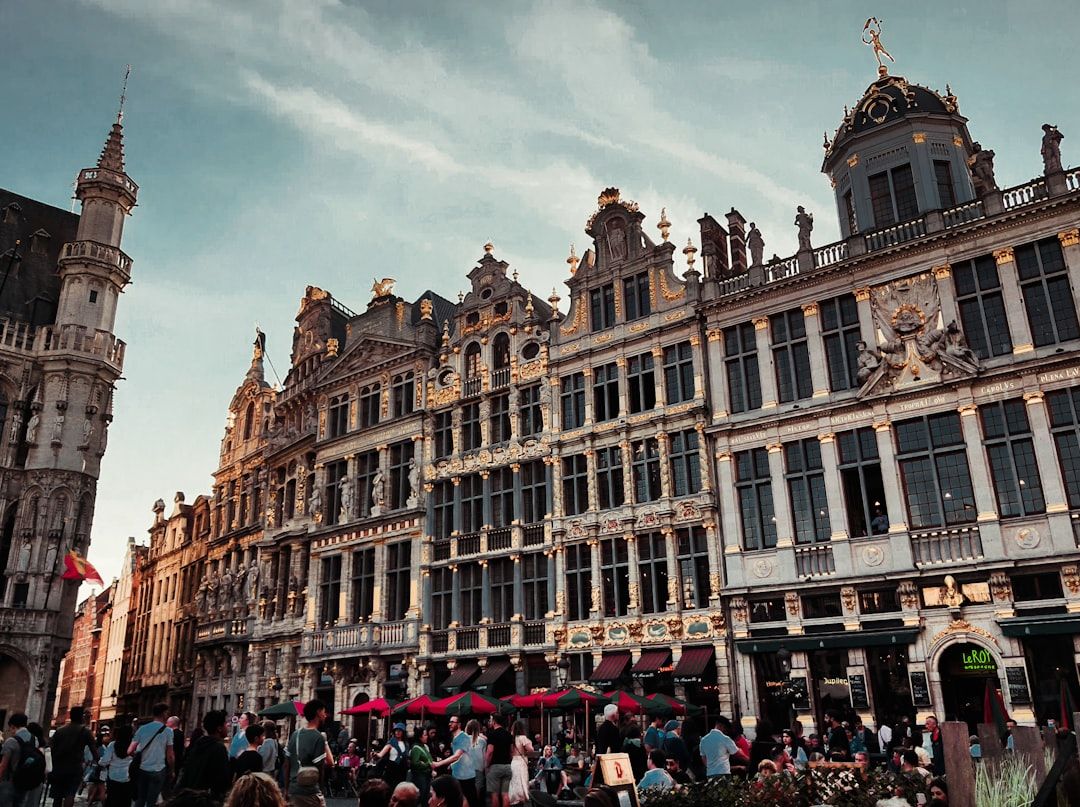
Take the train from Bruges to Ghent (€8, 30 minutes). Ghent is Bruges without the tourists — a medieval city with three cathedrals, a castle, and canals, but with 40,000 university students who keep it alive. The historic center is car-free and the restaurants are half the price of Bruges.
The one painting you can't miss: The Ghent Altarpiece (€16, in St. Bavo's Cathedral). Painted by Jan van Eyck in 1432, it's the most important artwork in Belgium and one of the most important in the world — 12 panels, 4.3 × 3.5 meters, depicting the Adoration of the Mystic Lamb. The altarpiece has been stolen 7 times (by Napoleon, by Hitler, and by various thieves) and one panel (the Just Judges) has been missing since 1934. See it in the cathedral chapel, then go to the MSK museum (€12) to see the panels that were recently restored — the restoration removed 600 years of varnish and revealed colors so vivid they look like they were painted yesterday.
Afternoon: Walk the Graslei and Korenlei — the two sides of the Leie river, lined with 13th-century guildhalls. Visit the Gravensteen (€12) — a 12th-century castle in the middle of the city, with a torture chamber and a view from the ramparts. Walk to the Patershol — a medieval quarter with restaurants and bars. Climb the Belfry (€12, 214 steps) for the view over the city.
Beer: Ghent has the best beer bar in Belgium — 't Galgenhuisje (Groentemarkt 9, a bar so small it's in a former gallows house). Try a Gentse Strop (€4, a local amber ale). Or go to Waterhuis aan de Bierkant (€4-6 per beer, on the river with a terrace).
Dinner: Lieve Lodewijk (€25-35, Hoogpoort 50) — modern Belgian, the pork belly with apple is the dish. Or Pakhuis (€30-40, Schuurkenstraat 4) — in a former warehouse, the mussels are the best in Ghent. Stay in Ghent (€60-90/night) — cheaper than Brussels or Bruges.
Day 4: Antwerp
Take the train from Ghent to Antwerp (€14, 1 hour). Antwerp is Belgium's second city and the most stylish — the fashion capital of the country (Dries Van Noten and the Antwerp Six are from here), the diamond capital of the world (80% of the world's rough diamonds pass through Antwerp), and a port city with a red-light district that's also a design district.
Morning: The Cathedral of Our Lady (€12) — the largest Gothic church in the Low Countries, with three Rubens paintings (the Descent from the Cross, the Elevation of the Cross, and the Assumption). Walk the Meir — the main shopping street, with 18th-century architecture and the most beautiful shop in Belgium (Stadsfeestzaal, a former festival hall turned shopping center with gold mosaics and a glass dome).
Afternoon: The Plantin-Moretus Museum (€12) — a 16th-century printing press, UNESCO world heritage, with the two oldest printing presses in the world. The museum is exactly as it was when the last printer died in 1876 — the type cases, the presses, the ledgers, and the original Gutenberg Bible. Then walk to the MoMu (Fashion Museum, €10) — rotating exhibitions of Belgian fashion. Walk through the diamond district (near the station) — not to buy, just to see the Hasidic diamond traders and the security vans.
Beer and dinner: De Vagant (€4-6 per beer, Reyndersstraat 25) — a brown café with 200 beers and a fireplace. Eat at Fiske (€25-35, Vlaamse Kaai 43) — the fish soup and the Belgian fries. Or at De Stokvis (€20-30, Kloosterstraat 155) — the best lunch in Antwerp, the croque monsieur with truffle.
Stay in Antwerp (€70-110/night) or return to Brussels.
Day 5: Brussels (Departure)
Return to Brussels. Spend the morning at the Royal Museum of Central Africa (€12, in Tervuren, 30 minutes by tram from Brussels) — the most controversial museum in Belgium, recently renovated to address its colonial past. The collection is extraordinary — African art, artifacts, and animals collected during Belgium's colonial rule of Congo. Or visit the Cantillon Brewery (€15, tour and tasting, book ahead) — the last traditional lambic brewery in Brussels, where beer is fermented with wild yeast from the air.
Last meal: frites from Fritland (€5, the best fries in Brussels) or a waffle from Maison Dandoy (€6, the Liège waffle with pearl sugar). Depart from Brussels Midi (Eurostar to London, Thalys to Paris/Amsterdam) or Brussels Airport (20 minutes by train from Centraal).
Route Summary
| Day | City | Transport | Time |
|---|---|---|---|
| 1 | Brussels | — | — |
| 2 | Bruges | Train from Brussels | 1h |
| 3 | Ghent | Train from Bruges | 30 min |
| 4 | Antwerp | Train from Ghent | 1h |
| 5 | Brussels | Train from Antwerp | 45 min |
Transport costs: €40-55 total for trains. A Belgian Rail Pass (10 trips for €96) is overkill — individual tickets are cheaper for this route. Book on belgiantrain.be or use the SNCB app.
When to Go
April-May and September-October are best — 15-20°C, fewer tourists, and the beer terraces are open. July-August is 25°C but Bruges is packed. December is cold (5°C) but Brussels has a Christmas market and the Grand Place is lit with 1,000 lights. Avoid January-February — cold, wet, and grey.
Money
Belgium is mid-range for Europe. Hotels: €60-120/night. Meals: €12-20 for lunch, €25-40 for dinner. Beer: €4-6 per glass. Trains: €8-15 per leg. Museums: €10-15. Budget €80-120/day including accommodation. Ghent is the cheapest city; Bruges is the most expensive.
Frequently asked questions
Is journey planning & routes worth it?
Yes, journey planning & routes is worth it for travelers who value quality experiences. The key is choosing the right option for your budget and travel style — our guide above breaks down the top picks.
How much does journey planning & routes cost?
Costs vary depending on location, season, and type. Budget options start around $70-100/night, mid-range $120-200/night, and luxury $200-400+/night. See our price table above for details.
When should I book journey planning & routes?
Book 2-3 months ahead for peak season, 1 month for shoulder season. Last-minute deals exist but are risky — book early for the best selection and prices.
Olapath Editorial
50+ destinations reviewed
The Olapath editorial team covers Journey Planning & Routes with firsthand experience and honest recommendations.